I have a rule when I travel.
It is not about sightseeing. It is not about restaurants. It is about what I bring home.
I buy exactly one spice, paste, or pantry ingredient that I have never cooked with before. Not a whole shopping bag of things. Not a collection of souvenirs that will sit in my pantry for years. One thing. One ingredient. One challenge.
When I get home, I have to cook with it within two weeks.
That is the rule. It is small enough to be sustainable. It is big enough to change how I cook. And it has given me some of my favorite recipes.
The Rule, Explained
The purchase: One spice, paste, sauce, or pantry item. It has to be something I have never used before. It does not have to be expensive or exotic. It just has to be new to me.
The timeline: Two weeks. If I do not cook with it within two weeks, it goes into the "I bought this on vacation and never used it" pile. That pile does not exist anymore because I follow the rule.
The result: One new recipe. Sometimes it is a complete success. Sometimes it is a learning experience. Either way, I learn something about an ingredient and how to use it.
What I Have Bought (and What I Made)
Trip 1: Chiang Mai, Thailand
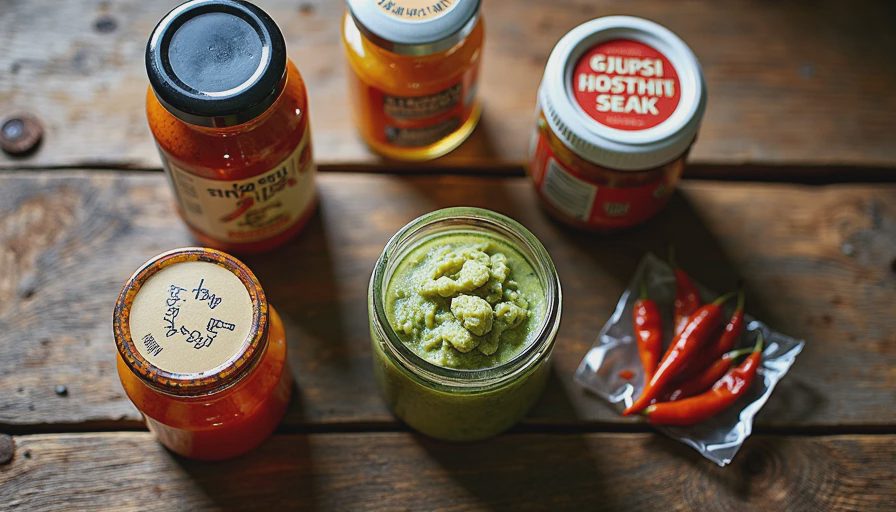
Bought: Fermented soybean paste (called tao jiao in Thai)
Made: A Northern Thai-style pork belly stew with fermented soybean and ginger
Result: Success. The paste added a salty, funky depth that was completely different from miso. I have used it three more times since.
Trip 2: Hanoi, Vietnam
Bought: Shrimp paste (mam tom)
Made: Bun cha with a dipping sauce that used the shrimp paste
Result: Learning experience. Shrimp paste is potent. A little goes a very long way. I used too much the first time. The second time, I used half and it was much better.
Trip 3: Penang, Malaysia
Bought: Belacan (dried shrimp paste, pressed into blocks)
Made: A sambal-style stir-fry with green beans and chicken
Result: Success. Belacan is powerful and smoky. Toasting it before using mellowed the flavor and added complexity.
Trip 4: Tokyo, Japan
Bought: Yuzu kosho (fermented yuzu peel and chili paste)
Made: A yuzu kosho vinaigrette for a cold soba salad
Result: One of my favorite discoveries. The yuzu kosho is bright, spicy, and citrusy. I have kept a jar in my fridge ever since.
Trip 5: Oaxaca, Mexico
Bought: Dried chilhuacle negro chilies
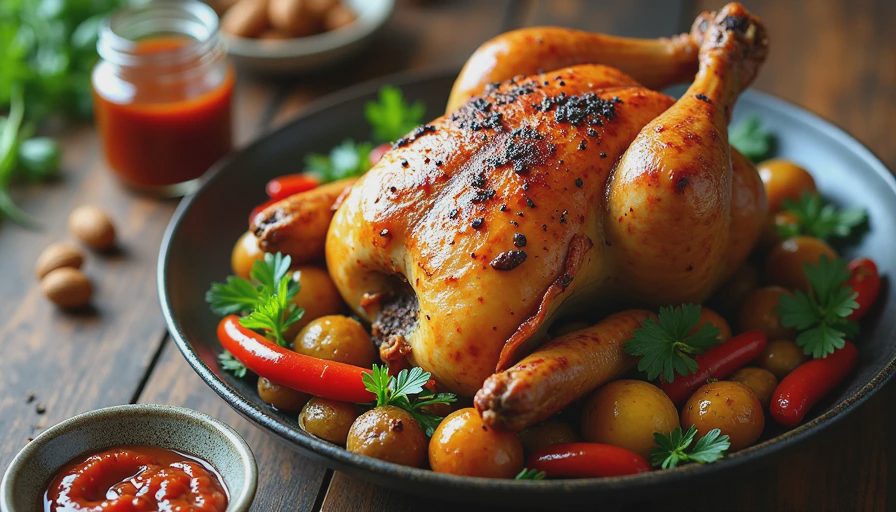
Made: A mole-style braised chicken
Result: The chilies were smoky and complex. I could not find them again in Houston, so I substituted pasilla and added a little smoked salt. Not the same, but close enough.
Why the Rule Works
It is low commitment. One ingredient is not a pantry overhaul. You do not need to reorganize your kitchen or learn a whole cuisine.
It is focused. You have one thing to learn about. You can research it, taste it, and figure out how it works without getting overwhelmed.
It creates a story. Every dish has a memory attached. When I make the yuzu kosho vinaigrette, I remember the tiny shop in Tokyo where I bought it.
It expands your pantry gradually. Over a few years of travel, you build a collection of interesting ingredients. Each one has a story and a purpose.
What to Look For When You Travel
Not every ingredient is worth bringing home. Here is what I look for:
Characteristic | Why It Matters |
|---|---|
Dried or preserved | It will survive the flight and stay good in your pantry |
Something you cannot easily find at home | If you can buy it at H-Mart, do not waste luggage space |
A single-purpose or multi-purpose ingredient | Multi-purpose is better, but single-purpose is fine if it is special |
Reasonably priced | You are not buying status symbols. You are buying flavor tools. |
Has a label or identifiable name | If you cannot remember what it is called, you cannot look up how to use it |
I avoid fresh produce, liquids in glass bottles, and anything that requires refrigeration. Those are headache ingredients.
What I Have Learned from Doing This
Lesson 1: The best ingredients are the ones you do not know how to use yet
Familiarity is comfortable. But the ingredients that teach you something are the ones you have to figure out. That is where the learning happens.
Lesson 2: Two weeks is the right deadline
If I do not use it within two weeks, I will probably never use it. The deadline creates urgency. Urgency produces results.
Lesson 3: Some purchases are failures
Not every ingredient works out. I bought a dried tamarind block in Penang that was too fibrous to use easily. It sat in my pantry for months before I threw it out. That is fine. Five successes and one failure is a good ratio.
Lesson 4: The best souvenirs are edible
I do not buy t-shirts. I do not buy magnets. I buy ingredients. They are practical, they do not collect dust, and they give me a reason to cook something new.
What Matt Thought About This Rule
Matt is used to me bringing home strange jars and packets from trips.
He asked once if I was going to use all of them. I said yes, eventually. He said, "You use more of them than I expected. Most people bring home things and never open them."
That is the rule working. It keeps me honest.
How to Start (Even If You Are Not Traveling)
You do not need to travel to do this.
Go to a grocery store in a part of town you do not usually visit. Or walk down the international aisle of a large supermarket. Or order something online that you have never tried before.
Buy one thing you have never cooked with. Bring it home. Cook with it within two weeks.
Same rule. Same result.
The Takeaway
I did not write this post for people who travel often. I wrote it for people who want to cook more adventurously but do not know where to start.
One ingredient at a time. One recipe at a time. Two weeks to make it happen.
You will learn something. You will expand your pantry gradually. And you will have a story to tell about the dish you made.
That is the point. The cooking is the souvenir.
— Elena

No comments yet — grab the first one.