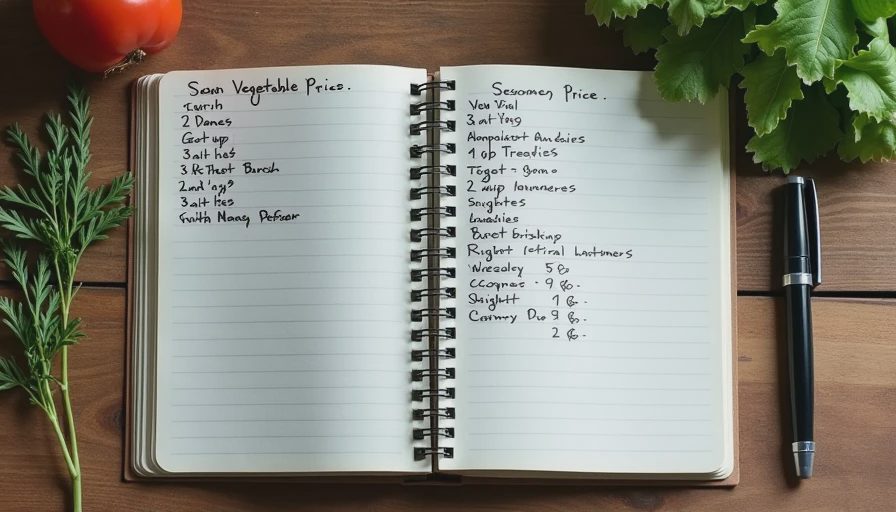
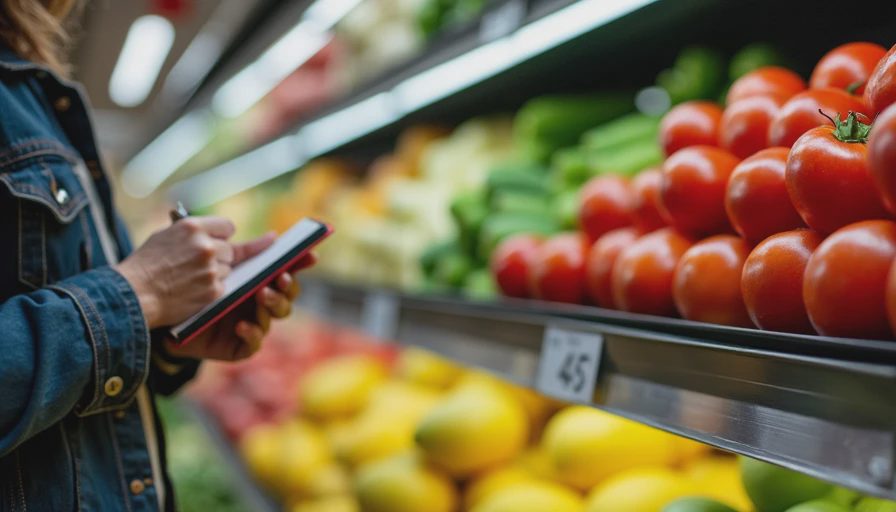
I have a notebook. It is not fancy. It is a spiral-bound thing I bought at an office supply store for three dollars. It lives in my bag, and it goes with me to every grocery trip.
Inside, I write down prices.
Not every price. Not everything I buy. Just the things I buy regularly, at specific times of year, so I know what a good deal looks like and when to stock up.
This is not an obsession. It is a system. And it saves me a meaningful amount of money without requiring spreadsheets, apps, or a dedicated hour of meal planning every Sunday.
Here is how it works.
What I Track
I track three categories of ingredients:
1. Seasonal produce
These are the things that fluctuate most in price. I track them by month so I know when they hit their lowest point.
Ingredient | Cheap Months | Typical Price | Good Deal Price |
|---|---|---|---|
Tomatoes | June–August | $2.49/lb | Under $1.50/lb |
Corn | June–September | $0.50/ear | 4 for $1 |
Mangoes | May–July | $1.50/each | Under $1 |
Citrus | December–March | $1.00/lb | Under $0.70/lb |
Berries | April–June | $4.99/pint | Under $2.50/pint |
2. Pantry staples
These fluctuate less, but they go on sale predictably. I track the sale price so I know when to stock up.
Ingredient | Regular Price | Good Sale Price |
|---|---|---|
Olive oil (good brand) | $12–14/bottle | Under $10 |
Soy sauce (large bottle) | $6 | Under $4 |
Fish sauce | $5 | Under $3.50 |
Canned tomatoes | $2.49/can | $1.50/can |
Rice (5lb bag) | $7 | Under $5 |
3. Proteins
Proteins are the biggest budget variable. I track what I pay per pound.
Protein | Target Price/Lb |
|---|---|
Chicken thighs (boneless) | $2.50–3.00 |
Chicken breast | $3.00–3.50 |
Ground turkey | $4.00–5.00 |
Pork shoulder | $2.50–3.00 |
Tofu (per block) | $1.50–2.00 |
What I Do Not Track
I do not track everything I buy. That would be exhausting and I would stop doing it.
I do not track:
Dairy (prices are stable, not worth the mental energy)
Bread (I buy it too infrequently to establish a pattern)
Snacks (not a core budget category)
Herbs under $2 (the savings are too small to track)
The system is intentionally incomplete. It focuses on the biggest budget drivers and ignores everything else. That is how it stays useful.
The Notebook Format
Here is what a typical page looks like:
Tomatoes, H-Mart — June 2026
$1.99/lb
Good deal? Yes — buy extra.
And:
Chicken thighs, H-E-B — July 2026
$2.79/lb
Note: this is the same price as last month. No need to stock up.
And:
Mangoes, Canino's — July 2026
$0.99 each
Good deal. Bought 6. Made mango salsa, ate two, froze the rest.
That is it. It is not a spreadsheet. It is just a record of what I paid and when.
What I Learned from Doing This
Lesson 1: Seasonal patterns are predictable
Tomatoes are cheap in June, expensive in December. I used to vaguely know this. Now I have proof. When I see tomatoes at $2.99 in January, I do not feel bad skipping them. I know I can wait.
Lesson 2: Sale cycles are longer than you think
Olive oil goes on sale about every six weeks. If I miss one sale, another is coming. I do not need to panic-buy. I just need to check my notebook for the date of the last sale.
Lesson 3: The cheap stores are not always cheap
H-Mart is cheap for produce. But H-E-B often has better meat prices during sales. Canino's is unbeatable for local produce in season. Central Market is never cheap. Knowing where to buy each ingredient saves more money than any single deal.
The Stock-Up Rule
If I see an ingredient at a "good deal price," I buy enough to last until the next cycle.
For produce: I buy extra and freeze, pickle, or plan multiple meals around it.
For pantry staples: I buy two of whatever is on sale, if it is shelf-stable.
For proteins: I buy an extra pack and freeze it. Never buy more than I can freeze in a month.
The rule is: buy for the gap, not for the apocalypse. Two cans of tomatoes, not twenty.
What This Actually Saves Me
I do not obsess over exact savings. But I know my weekly grocery bill dropped by about 10 to 15 percent after I started tracking prices. That is $10 to $15 a week. Over a year, that is $500 to $800.
For three dollars and a few minutes per shopping trip, that is a good return.
The Mental Benefit
The money is one thing. The bigger thing is the mental peace.
I do not wonder if I am getting a good deal anymore. I know. I have records. When I see corn at 50 cents an ear, I buy it without hesitation. When I see it at a dollar, I skip it. The decision is already made.
That is the quiet benefit of this system. It removes the second-guessing. You walk into the grocery store knowing what you want to pay, and you walk out having paid it.
Your Turn
You do not need a spreadsheet. You just need a notebook and a pen.
Write down what you buy. Note the price and the date. After a few months, you will start to see the patterns.
Track the things you buy most often. Ignore the rest. Keep it simple, keep it in your bag, and keep it going long enough to build a habit.
It is not about being weird about money. It is about being intentional.
— Elena


No comments yet — grab the first one.