Houston is a grocery city. It sprawls. There is no single store that does everything well. If you try to buy all your groceries in one place, you end up paying too much or settling for ingredients that are just okay.
I learned this the hard way. I used to do all my shopping at one supermarket. Then I realized I was paying four dollars for basil that would wilt in two days, and the tofu section was basically an afterthought.
Now I shop strategically. Different stores for different things. It takes more time to learn, but once you know the map, it saves time and money every single week.
Here is my Houston grocery map.
H-Mart (Blalock Location): The Anchor
This is where I start every week.
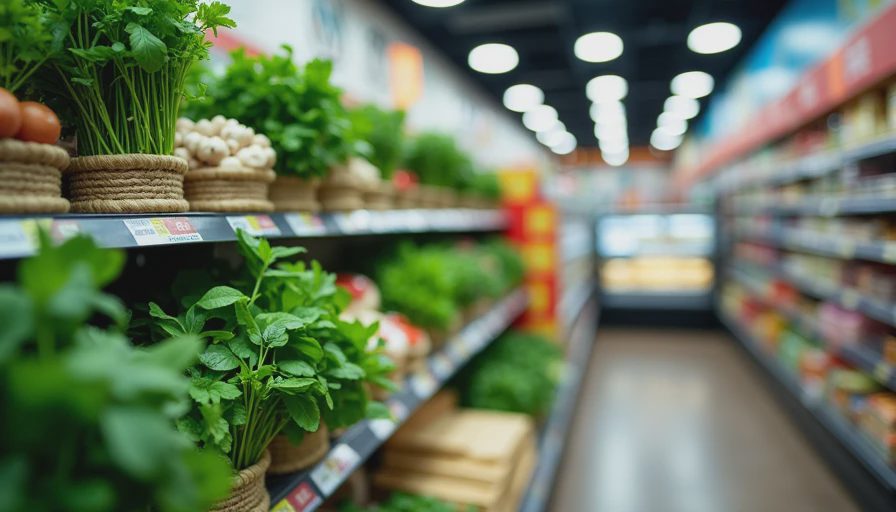
H-Mart is my primary grocery store. It has the best selection of Asian vegetables, fresh herbs, tofu, noodles, and seafood. The prices on produce are consistently lower than mainstream supermarkets, and the quality is better for anything green.
What I buy here:
Fresh herbs (Thai basil, cilantro, mint, perilla — all under $2 a bunch)
Tofu (firm, silken, fried — all of it, cheap and fresh)
Noodles (ramen, udon, rice vermicelli, glass noodles — the selection is overwhelming, but I stick to three or four staples)
Mushrooms (enoki, shiitake, king oyster, whatever looks good)
Gochujang, miso, fish sauce, soy sauce, sesame oil, rice vinegar
Frozen dumplings and spring rolls (backup dinner)
Rice (jasmine, short-grain, sushi rice — all cheaper than anywhere else)
What I do not buy here:
Meat (except for specialty cuts or hot pot meat)
Dairy or eggs
Bread
Snacks (I will buy three bags of shrimp chips and regret it)
Pro tip: Go on a Saturday morning before 10 a.m. It is crowded, but the produce is fully stocked and the parking lot is manageable. Afternoon is chaotic.
H-E-B (Any Location): The Workhorse
H-E-B is where I go for everything H-Mart does not do well.
It has better meat, better dairy, better bread, and better prices on pantry staples. It is also closer to my house, so I end up there midweek for things I forgot or ran out of.
What I buy here:
Meat (chicken thighs, ground meat, steaks, pork chops — H-E-B's meat quality is excellent)
Dairy (milk, yogurt, butter, cheese)
Eggs
Bread (tortillas, baguettes, sandwich bread)
Canned goods (tomatoes, beans, broth)
Pasta and dry goods
Snacks for Matt (he has opinions about snack foods)
What I do not buy here:
Fresh herbs (too expensive, wilt too fast)
Tofu (limited selection, higher price)
Noodles (the selection is sad)
Asian sauces (overpriced, limited brands)
Pro tip: H-E-B's in-store tortillas are genuinely good. So are their rotisserie chickens, which I buy at least once a month for emergency dinners.
Canino's Farmers Market: The Seasonal Stop
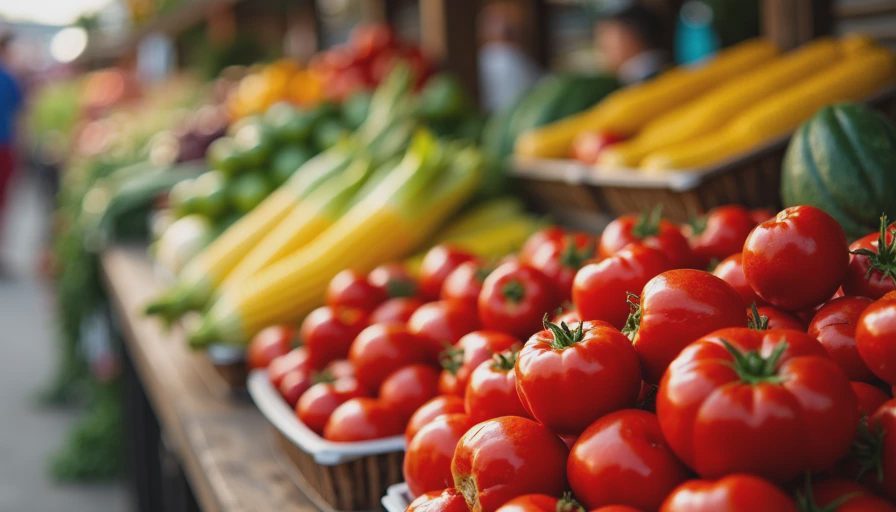
Canino's is a Houston institution. It is not a farmers market in the trendy sense — it is a working produce market with stalls operated by local farmers and vendors. The prices are low, the selection rotates with the season, and it is one of the best places in the city to buy vegetables and fruit.
What I buy here:
Tomatoes (when they are in season, they are incredible)
Peppers (all kinds, cheap and beautiful)
Corn (summer only, but worth the trip)
Tropical fruit (mango, papaya, guava, plantains — better and cheaper than anywhere else)
Squash, okra, greens, whatever is growing in Texas that week
What I do not buy here:
Meat
Dairy
Anything packaged
Pro tip: Go early. The market opens at 6 a.m., and by 10 a.m. it is packed. Bring cash. Not all vendors take cards.
Central Market: The Splurge
Central Market is H-E-B's upscale sibling. It is expensive. It is also where I go when I want something specific and beautiful that I cannot find anywhere else.
What I buy here:
Specialty mushrooms (maitake, oyster, porcini — when I am making something that calls for them)
Imported spices (cinnamon from Sri Lanka, vanilla beans, saffron — special occasions only)
Good cheese (I have a weakness for a well-curated cheese counter)
Nice bread (their baguettes are genuinely good)
Interesting condiments and vinegars
What I do not buy here:
Everyday groceries (too expensive)
Produce (Canino's or H-Mart are better)
Pro tip: Central Market is where I shop when I am planning a Table for Six dinner party. The presentation matters. The produce is photogenic. The cheese counter impresses guests.
The Midweek Emergency Stop
Sometimes a week goes sideways. I run out of something, or I need dinner in 30 minutes and the fridge is empty.
For those nights, I do not even think about it. I go to the nearest H-E-B and buy:
One rotisserie chicken
One bag of salad mix
One thing to make it feel like a real meal (a lemon, a jar of sun-dried tomatoes, some feta cheese)
That is dinner. It is not a flex. It is survival.
The Cost-Benefit Breakdown
Here is what I estimate the system costs:
Store | Weekly Spend | What I Get |
|---|---|---|
H-Mart | $30–40 | Produce, herbs, tofu, noodles, sauces, rice |
H-E-B | $40–50 | Meat, dairy, eggs, bread, pantry staples |
Canino's | $10–20 | Seasonal produce (not every week) |
Central Market | $20–30 | Splurge items (once or twice a month) |
Total: roughly $80–100 per week for two people. That includes five dinners, lunches, and some snacks.
I could save money by consolidating. I would spend more time and get worse ingredients. The system works for me.
What This Map Says About My Cooking
If you look at this grocery map, it tells you something about how I cook.
I start with produce. H-Mart is my first stop because vegetables and herbs are the foundation of most of my meals. Then protein. Then pantry staples. The sauces and seasonings come from multiple sources, depending on who has the best price and the freshest stock.
I also buy what is in season. Canino's is a weekly reminder of what is growing in Texas right now. That influences everything I cook that week.
The result is food that feels global but is grounded in what is available and affordable where I live. That is the whole point.
Your Turn
I know Houston is specific. But this strategy works anywhere.
Map your city the same way. Figure out which store does produce well, which one does meat well, which one has affordable staples. Learn where the local produce market is, even if it is just a roadside stand.
You will save money. You will eat better. And you will stop wandering around a single store hoping everything you need is good.
It is not about having a perfect pantry. It is about knowing where to go.
— Elena

No comments yet — grab the first one.