
Here is a thing I hear a lot from readers before they even become readers:
"I would love to cook more globally inspired food, but I do not want to buy a whole pantry of specialty ingredients I will only use once."
That is fair. That is smart. And it is also fixable.
The truth is, most "specialty" ingredients are not special at all. They are just unfamiliar. Once you understand what they are doing in a dish, you can find a substitute that already lives in your kitchen.
Here are five swaps I use constantly. They save money, they save shelf space, and they keep dinner interesting without requiring a trip to a specialty store.
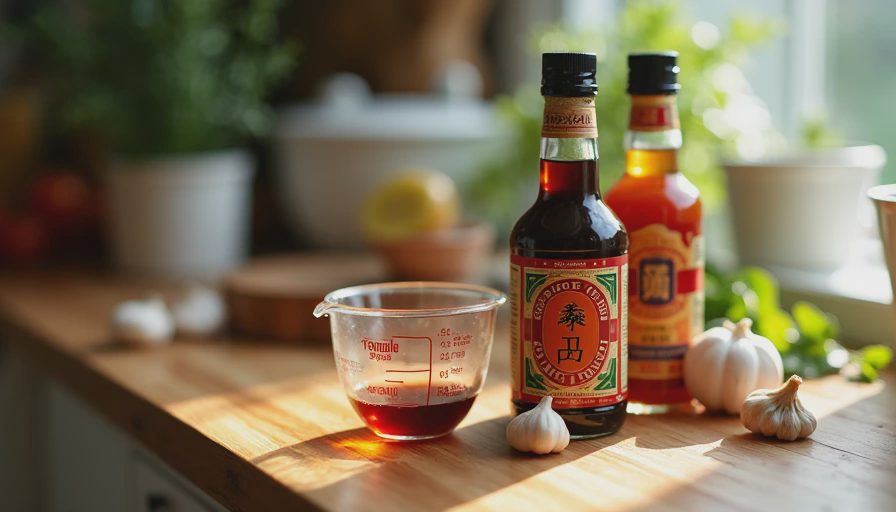
Swap 1: Fish Sauce → Soy Sauce + Worcestershire
I am a fish sauce evangelist. But I also understand that not everyone has it.
If you do not have fish sauce, combine one part soy sauce with one part Worcestershire sauce. The soy provides salt and umami. The Worcestershire provides the fermented depth that approximates fish sauce's complexity. It is not a perfect match, but it is close enough for any dish where fish sauce is playing a supporting role rather than the lead.
When to use this swap: Chili, stews, braised meats, marinades.
Ratio: 1 tablespoon fish sauce = ½ tablespoon soy sauce + ½ tablespoon Worcestershire.
When not to: Fish sauce-forward dishes like nuoc cham or Thai-style dipping sauces. For those, you need the real thing.
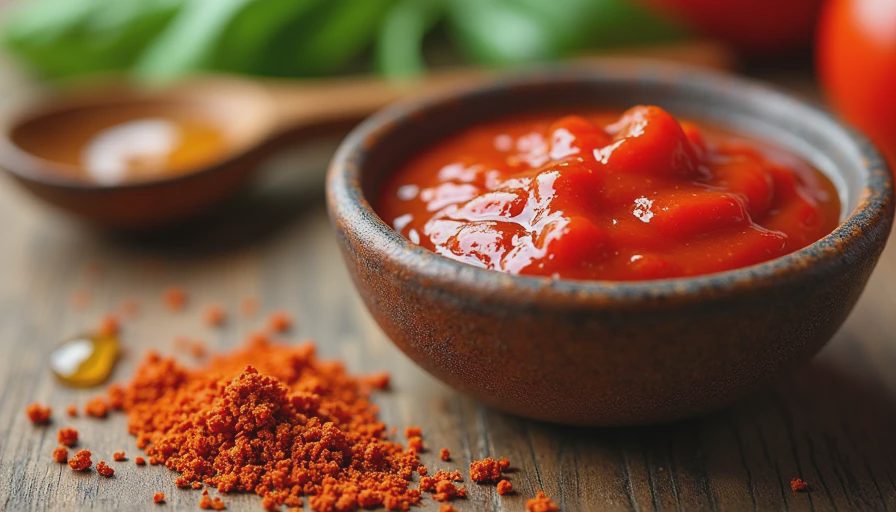
Swap 2: Gochujang → Tomato Paste + Chili Flakes + Honey
Gochujang is fermented chili paste. It is sweet, spicy, savory, and a little funky. It also costs eight dollars and sits in your fridge for a year.
If you do not want to buy it, mix tomato paste, chili flakes, and honey. Tomato paste provides the deep red color and savory base. Chili flakes add heat. Honey provides the sweetness. It will not have the fermented depth, but for most applications — sheet pan chicken, rice bowls, stir-fries — it works.
Ratio: 1 tablespoon gochujang = 1 teaspoon tomato paste + ½ teaspoon chili flakes + ½ teaspoon honey.
When to use this swap: Anywhere gochujang is used as a marinade or sauce base.
When not to: Dishes where gochujang is the primary flavor, like tteokbokki or gochujang stew.
Swap 3: Coconut Milk → Whole Milk + Butter
Coconut milk is rich, creamy, and dairy-free. But not everyone keeps it on hand, and it does go bad once opened.
If you need coconut milk for a curry or braise and do not have it, use whole milk plus a tablespoon of butter per cup. The butter adds fat. The milk provides liquid. You lose the coconut flavor, but for dishes where coconut is the texture, not the star, this swap works.
Ratio: 1 cup coconut milk = 1 cup whole milk + 1 tablespoon butter.
When to use this swap: Creamy soups, braises, curries where coconut is not a lead flavor.
When not to: Khao soi, laksa, coconut rice — anything where coconut is the headline.
Swap 4: Miso → Soy Sauce + Tahini (or Peanut Butter)
Miso is fermented soybean paste. It is salty, savory, and has a creamy texture. It is also a specialized ingredient that not everyone wants in their fridge.
To replicate miso's flavor and texture, mix soy sauce with a nut butter. Tahini is ideal — it has a similar earthy quality. Peanut butter works in a pinch, though it is sweeter. The soy provides salt and umami. The nut butter adds body and richness.
Ratio: 1 tablespoon miso = 1 teaspoon soy sauce + 2 teaspoons tahini or peanut butter.
When to use this swap: Salad dressings, marinades, glazes, sauces.
When not to: Miso soup or any dish where miso is the star.
Swap 5: Tamarind Paste → Lime Juice + Brown Sugar (or Dates)
Tamarind is sour, sweet, and a little fruity. It is used in Southeast Asian and South Asian cooking to add tang. But tamarind paste is not a staple in most Western pantries.
Lime juice plus brown sugar approximates tamarind's sweet-sour balance. Brown sugar provides molasses notes that mimic tamarind's fruitiness. If you have dates, soaking one or two in hot water and mashing them with lime juice gets you even closer.
Ratio: 1 tablespoon tamarind paste = 1 tablespoon lime juice + 1 teaspoon brown sugar.
When to use this swap: Pad thai, tamarind chicken, chutneys.
When not to: Dishes where tamarind is the dominant flavor, like som tam (green papaya salad).
The Bigger Picture
Here is the thing about these swaps: they are not about making "fake" versions of global food. They are about making accessible versions.
The goal is not authenticity. The goal is deliciousness. If you cannot make a dish because you are missing one ingredient, that is not a failure of your cooking. That is a design problem, and design problems have solutions.
Keep these swaps in your back pocket. Use them when you need them. Buy the real ingredients when you can and when you want to. There is no shame in the swap.
What Matt Thought About This Post
I asked Matt if he had any thoughts on ingredient swaps.
He said, "I do not swap things. I just eat what you make."
That is not helpful, Matt. But it is honest.
— Elena



No comments yet — grab the first one.