Sweet cream sounds like an ingredient with a tiny velvet pillow and a personal assistant, but it is much less dramatic than that. In most recipes, sweet cream means fresh dairy cream that has not been soured or cultured. It has a clean, mild flavor and enough fat to make sauces, desserts, coffee, and mashed potatoes taste rounder. If you have ever stood in the grocery aisle wondering whether a carton labeled sweet cream is different from regular cream, here is the Tuesday-night answer: usually, it is simply fresh cream rather than sour cream or another cultured product.
What sweet cream actually means
The word sweet does not mean the cream contains sugar. That is the first useful translation. Sweet cream is called sweet because it is not sour. It comes from milk and contains milk fat, while sour cream gets its tang from bacterial cultures. Depending on the label and product, it can be light cream, whipping cream, or heavy cream. The fat percentage determines how it behaves in the pan.
A carton of heavy cream generally contains at least 36 percent milk fat, which lets it whip and helps it thicken sauces. Whipping cream is often a little lighter, commonly around 30 to 35 percent fat. Half-and-half is thinner still, usually a mixture of milk and cream, and works well in coffee but does not whip into a stable cloud. When a recipe says sweet cream without giving a percentage, check the surrounding instructions. A sauce likely needs cream; a whipped topping needs heavy cream.
Sweet cream has a gentle dairy flavor, not a sugary one. That makes it flexible. It can carry lime, fish sauce, smoked paprika, black pepper, cardamom, or vanilla without fighting for attention. This is exactly the kind of ingredient I like keeping around: useful in three cuisines before the leftovers have had time to become a science project.
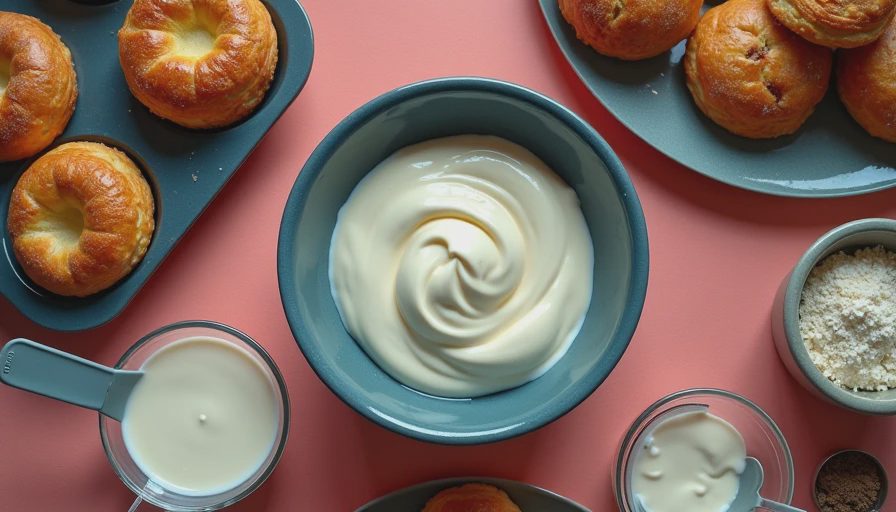
Sweet cream versus heavy cream, whipping cream, and sour cream
Recipes use dairy terms inconsistently, so the label matters more than the poetic wording. Sweet cream and heavy cream are not always separate products. Heavy cream is usually a type of sweet cream because it has not been cultured. If a recipe calls for sweet cream for whipping, choose heavy whipping cream for the best structure. If it calls for sweet cream in a soup, ordinary whipping cream may be enough.
Sour cream is a different tool. Its tang is valuable in tacos, baked potatoes, coffee cake, and creamy dressings, but it can make a delicate sauce taste sharp. You can substitute sweet cream for sour cream in some recipes, but you will lose acidity and thickness. Add a small squeeze of lemon or a teaspoon of vinegar if the dish needs brightness, then taste before adding more. The reverse substitution is riskier because sour cream can curdle when boiled.
Crème fraîche is another cultured cream with a richer, slightly tangy flavor. It is more heat-stable than sour cream, which makes it excellent for finishing pan sauces. Still, sweet cream is the more neutral choice when you want the other ingredients to lead.
How to cook with it without curdling
The basic rule is gentle heat. Bring the cream to a simmer, not a furious boil, especially when it is mixed with acidic ingredients such as tomatoes, wine, citrus, or vinegar. A hard boil can separate the fat and water, leaving a sauce that looks less like dinner and more like a failed group project.
For a quick pan sauce, remove browned chicken or mushrooms from the skillet, lower the heat to medium-low, and add about half a cup of sweet cream. Scrape up the browned bits, then simmer for three to five minutes until the sauce coats a spoon. Add salt, black pepper, and something sharp at the end. Lime zest and a teaspoon of fish sauce make this unexpectedly good over rice; Dijon mustard and parsley take it in a more familiar direction.
If you are adding cream to a hot soup, temper it first. Put the cream in a bowl, whisk in a ladleful of hot broth, and then pour that mixture back into the pot. This raises the temperature gradually and reduces the chance of curdling. The step takes about thirty seconds and saves you from staring at grainy tomato soup.
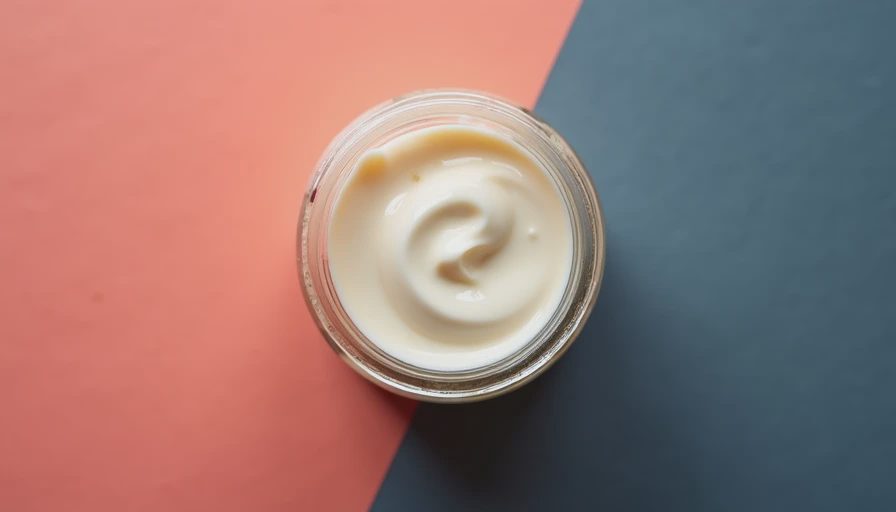
Weeknight ways to use sweet cream
Sweet cream is especially useful when the refrigerator is not cooperating. Stir two tablespoons into scrambled eggs just before cooking for a softer texture, or add a splash to mashed potatoes with butter and roasted garlic. For pasta, reduce cream with grated Parmesan, black pepper, and a spoonful of pasta water. Add peas, shredded rotisserie chicken, or sautéed mushrooms, and dinner is done in roughly twenty minutes.
For a globally inspired version, simmer sweet cream with a little red curry paste, lime zest, and sautéed onion. Keep the curry paste modest at first; brands vary considerably in heat and salt. Toss the sauce with noodles, shrimp, tofu, or leftover roasted vegetables. Coconut milk would make the dish more traditional in some recipes, but dairy cream creates a silkier, less assertive sauce. Matt was suspicious, which usually means we were onto something. He went back for noodles.
It also works in dessert without requiring pastry-school behavior. Fold whipped cream into sweetened yogurt with mango or berries. Add a splash to rice pudding, or simmer it with sugar and vanilla for a quick fruit topping. Because the flavor is neutral, a pinch of salt matters more than people expect. It keeps the dessert from tasting flat.
Buying, storing, and substituting
Look for a carton with a short ingredient list: cream, and possibly stabilizers such as carrageenan or gellan gum. Those additives are common and can help prevent separation. Heavy cream usually costs about $4 to $7 per quart, while smaller half-pint cartons are often $2 to $4. Buy the size that matches your cooking schedule; an abandoned quart is not a bargain.
Store cream in the coldest part of the refrigerator, not the door, and use the date as a guide rather than a dare. Shake the carton before measuring because the fat can settle. Once opened, it is best used within about a week, provided it smells fresh and shows no curdling or unusual texture.
For substitutes, half-and-half gives a lighter sauce, whole milk gives almost no thickening power, and evaporated milk provides body with a slightly cooked flavor. Full-fat coconut milk is a strong dairy-free option in curries and desserts, though it brings its own coconut taste. For a recipe requiring whipped cream, do not expect milk or half-and-half to perform the same job.
A practical sweet cream checklist
Before cooking, decide whether you need richness, whipping ability, or simply a smooth dairy finish. Choose heavy cream for whipped desserts and thick sauces, whipping cream for a lighter result, and half-and-half for coffee or delicate soups. Add it over moderate heat, give acidic ingredients a little room, and taste for salt at the end.
If your fridge is a little chaotic, this is still recoverable. A small amount can rescue dry leftovers, soften a spicy sauce, or turn a handful of vegetables into a meal. Sweet cream is not a precious ingredient reserved for elaborate recipes. It is a practical bridge between what you planned to cook and what is actually in the pan. If it works on a Tuesday, it belongs here.




No comments yet — grab the first one.