Pork loin chops thick cut are the answer when you want a dinner that feels substantial without building an entire weekend project around it. The catch is that thick pork can look beautifully browned outside while remaining stubbornly undercooked near the bone, or it can turn dry while you wait for the center to finish. Here is the version that works on a Tuesday: salt early, sear hard, finish gently, and use a sharp, slightly sweet sauce to make the whole plate taste intentional.
Choose and season the chops
Look for bone-in chops about 1 to 1 1/2 inches thick. Boneless chops work too, but the bone helps protect the meat and gives you a more useful visual cue while cooking. Two large chops usually serve two hungry adults; four smaller chops can serve four alongside rice, greens, or roasted vegetables.
Pat the meat dry with paper towels. This is not busywork. Surface moisture has to evaporate before browning can happen, so wet chops tend to steam in the skillet. Season both sides with about 3/4 teaspoon kosher salt per pound of pork, plus black pepper. If you have 30 minutes, leave the chops uncovered in the refrigerator, then let them sit at room temperature for 15 minutes before cooking. If dinner is already late, season them and continue. The recipe is forgiving; it simply rewards a little planning.
For the flavor base, mix 1 tablespoon brown sugar, 1 teaspoon smoked paprika, 1/2 teaspoon ground coriander, and a pinch of cayenne. Rub this over the chops just before they hit the pan. The sugar is there for caramelization, not dessert, and the coriander gives the pork a citrusy background that works well with lime and tamarind.
Sear first, then finish with control
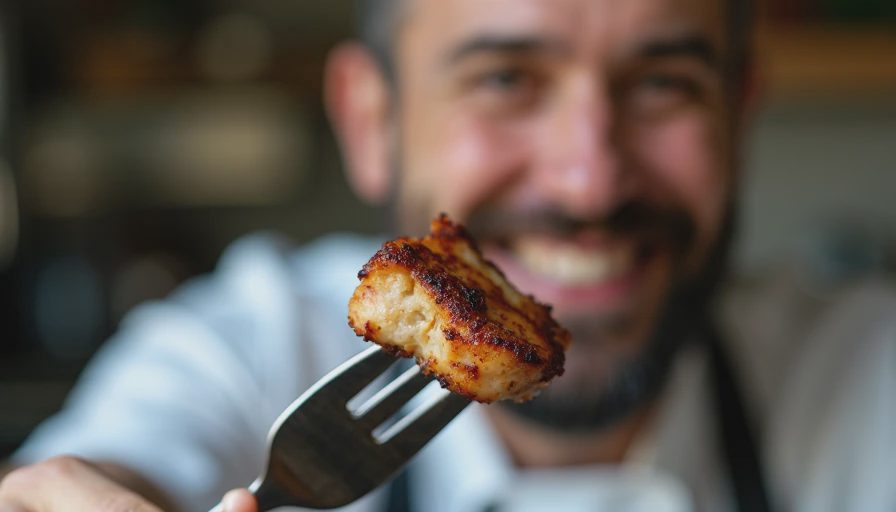
Use a heavy skillet, preferably cast iron or stainless steel, and heat it over medium-high heat. Add 1 tablespoon neutral oil with a high smoke point, such as avocado, canola, or grapeseed oil. When the oil shimmers, lay in the chops with space between them. If the pan is crowded, cook in two batches; a crowded skillet is a reliable way to lose the crust.
Sear for 3 to 4 minutes on the first side without nudging the meat. Flip when the underside is deep brown, then cook the second side for 2 minutes. Hold the chop with tongs and briefly brown the fat edge if it has one. This takes roughly 30 seconds, but it renders enough fat to improve the flavor of the finished dish.
Now lower the heat to medium-low. Add 1 tablespoon butter, 2 smashed garlic cloves, and a small sprig of rosemary or thyme. Spoon the foaming butter over the chops for another 2 to 4 minutes, turning once if needed. The exact time depends on thickness, skillet temperature, and whether the chops went into the pan cold. Use an instant-read thermometer in the thickest part, avoiding the bone. Remove the pork at 140 to 145 F, then rest it for at least 5 minutes. Pork is safe at 145 F with a rest, and the center should remain moist with a faint blush rather than the dry gray texture many people remember.
Pork loin chops thick cut benefit from this two-stage approach because the first stage builds flavor while the second stage gives the center time to catch up. Trying to cook them over high heat from start to finish is how a good chop becomes a small piece of furniture.
Make a fast tamarind-lime pan sauce
Transfer the rested chops to a plate and keep the skillet over low heat. Pour off excess fat if there is more than a tablespoon, but leave the browned bits behind. Add 1/3 cup chicken stock, 1 tablespoon tamarind concentrate, 1 tablespoon lime juice, 2 teaspoons fish sauce, and 1 teaspoon honey. Scrape the pan with a wooden spoon as the liquid bubbles. Cook for 2 to 3 minutes, until the sauce coats the spoon lightly.
Tamarind concentrate varies in strength, so taste before adding more. The finished sauce should be tangy, savory, and just sweet enough to balance the pork. If it tastes too sharp, add another 1/2 teaspoon honey. If it feels flat, add a squeeze of lime or a few drops of fish sauce. Remove the skillet from the heat and swirl in 1 tablespoon cold butter. That last step softens the acidity and gives the sauce a glossy texture without requiring cream.
If tamarind is not in your pantry, use 2 teaspoons rice vinegar plus 1 extra teaspoon honey. It will not taste identical, but it will deliver the same sweet-sour structure. Apple cider vinegar also works in a pinch. This is a flavor-transfer recipe, not a pantry exam.
What to serve with the pork
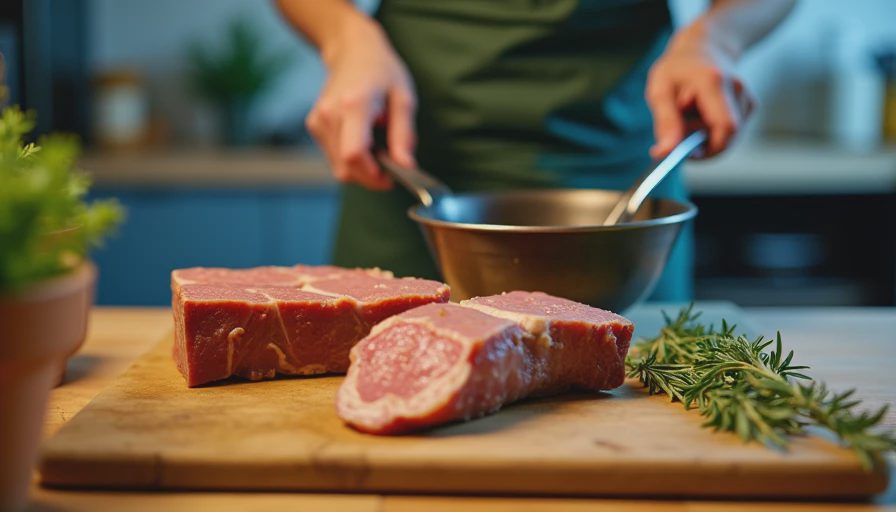
Pork loin chops thick cut need something that can catch the sauce. Steamed jasmine rice is the most practical choice, especially if you already have a bag in the pantry. For a faster vegetable, toss trimmed green beans into a second skillet with a little oil, then add sliced garlic and a splash of water. Cover for 3 minutes, uncover, and finish with lime zest.
A crunchy cucumber salad also works well. Toss sliced cucumber with lime juice, a pinch of sugar, salt, chopped cilantro, and thinly sliced jalapeno. The cold, crisp texture makes the hot skillet sauce feel less heavy. If cilantro is unpopular at your table, use mint or scallions instead. Matt was suspicious of the tamarind the first time, but the cucumber salad made the plate familiar enough that he stopped asking what was in the sauce and started asking for more.
For a relaxed dinner party, serve the chops sliced after resting, with sauce spooned underneath rather than poured over the crust. Add rice, green beans, and a bowl of cucumbers. Four chops, one skillet, and two simple sides can feed four people for considerably less than a restaurant entree, while still giving you a meal with contrast and personality.
Troubleshooting thick pork chops
If the outside is browning too quickly, lower the heat sooner and add a splash of stock to the skillet before the center is finished. If the chop is not browning, remove it and dry the surface again; moisture is usually the problem, not a lack of oil. If the thermometer reads 145 F but the meat seems firm, the chop may be lean or slightly overcooked. Resting helps, but next time pull it closer to 140 F and let carryover heat complete the job.
Pork loin chops thick cut can also be cooked in the oven after searing. Heat the oven to 375 F, transfer the skillet directly inside, and begin checking the temperature after 6 minutes. This is useful when the chops are closer to 2 inches thick, though the stovetop finish is faster for ordinary grocery-store cuts.
Do not slice immediately after removing the meat. Five minutes is the minimum; 8 minutes is better for very thick chops. Resting gives the juices time to redistribute, so they stay in the meat instead of running across your cutting board. That small pause is one of the highest-return steps in the entire recipe.
The weeknight game plan
Start by seasoning the chops and gathering every sauce ingredient. While the meat rests briefly, cook rice or prepare the cucumber salad. Sear the pork, lower the heat, and check the temperature rather than guessing from the clock. Make the pan sauce while the chops rest, then serve immediately.
The complete process takes about 30 to 35 minutes, including the side dish if you choose rice and quick green beans. Pork loin chops thick cut are especially useful when you want a dinner with steakhouse energy but a normal grocery bill. The method is structured, the substitutions are manageable, and the sauce gives you room to adjust. If it works on a Tuesday, it belongs here.




No comments yet — grab the first one.