A breakfast bowl is one of the best ways to make a real morning meal without creating a sink full of dishes. Start with a warm base, add something filling, then use one bright sauce or crunchy topping to make the whole thing taste intentional. This is not a rigid recipe; it is a system for using what is already in your kitchen. If your fridge is a little chaotic, this is still recoverable.
The formula is especially useful when everyone wants something different. One person can choose eggs and roasted potatoes, while another builds a yogurt bowl with fruit and granola. The preparation stays mostly the same, and nobody has to pretend that a sad piece of toast counts as a plan. Here’s the version that works on a Tuesday: build around texture, season each layer, and keep the cooking short.
Choose a base that can carry the meal
The base determines whether your breakfast bowl feels substantial or like ingredients briefly met in a dish. For a savory bowl, use roasted potatoes, leftover rice, quinoa, grits, or a slice of sturdy toast cut into cubes. Frozen hash browns are completely acceptable, especially when the alternative is skipping breakfast. Cook them until the edges are genuinely crisp; soft potatoes need help from sauce and toppings.
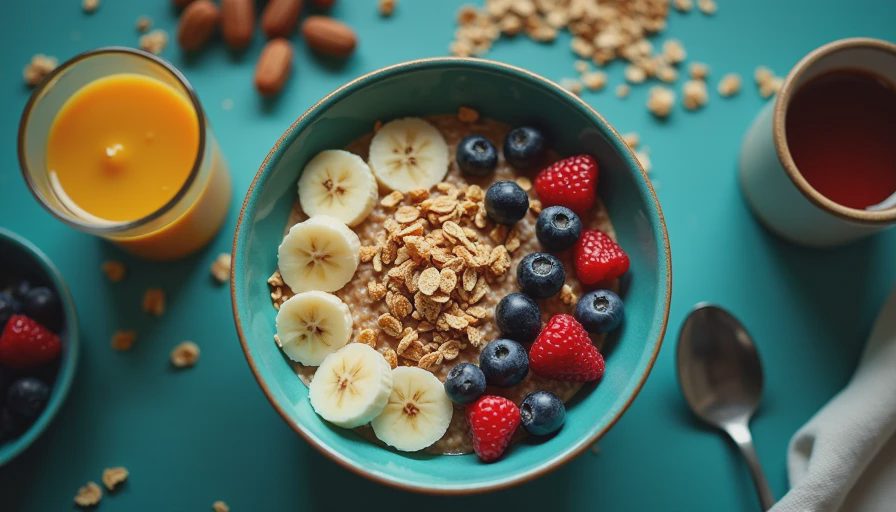
For a sweet breakfast bowl, Greek yogurt, oatmeal, cottage cheese, chia pudding, and cooked farro all work. Plain Greek yogurt is the fastest option, while oatmeal is better when you need something hot and inexpensive. Farro brings a pleasantly chewy texture and can be made ahead for several days. A breakfast bowl does not need a specialty grain to be interesting. The point is to create a dependable platform for flavor.
Season the base before adding toppings. Stir salt into oatmeal, add cinnamon to yogurt, or toss hot potatoes with smoked paprika and black pepper. A plain foundation makes every topping work too hard, like an intern assigned to present the quarterly results.
Add protein and one strong flavor direction
Protein turns a snack-sized breakfast into something that can carry you through a busy morning. Eggs are the obvious choice, but they are not the only one. Add black beans, leftover chicken, smoked salmon, tofu, turkey sausage, cottage cheese, or a spoonful of peanut butter. You do not need to use a large portion. A few ounces of chicken or half a cup of beans can change the structure of the meal.
Next, choose a flavor direction instead of tossing in every interesting ingredient. For a Southeast Asian-inspired breakfast bowl, combine rice, a fried egg, cucumber, scallions, and a quick sauce of lime juice, soy sauce, and a little fish sauce. For a Tex-Mex version, use potatoes, black beans, scrambled eggs, salsa, avocado, and pickled jalapeños. For a Mediterranean-leaning bowl, layer farro with eggs, tomatoes, feta, olives, and lemony yogurt.
This is the flavor-transfer trick: borrow a useful combination, not an entire restaurant menu. Matt was suspicious of fish sauce at breakfast, but the sauce disappeared into the lime and soy. He asked for more, which in our house is a formal scientific result.
Build contrast with toppings and sauces
A good breakfast bowl needs at least two types of contrast. If the base is soft, add something crisp. If the ingredients are rich, add acid. If the colors are mostly beige, add herbs, fruit, salsa, or a bright vegetable. These decisions matter more than buying an impressive ingredient.
For crunch, try roasted peanuts, toasted pumpkin seeds, fried shallots, granola, tortilla strips, or chopped almonds. For freshness, use cilantro, mint, sliced green onion, berries, apple, cucumber, or a handful of arugula. For acid, squeeze over lime, lemon, or orange, or add pickled onions from a jar. A drizzle of hot honey works on oatmeal, roasted sweet potatoes, and cottage cheese. A spoonful of chili crisp works on eggs, rice, and tofu, although it can make a quiet breakfast feel like it has opinions.
Keep sauces separate if you are preparing meals ahead. A breakfast bowl with wet salsa or yogurt mixed in will become softer overnight. Pack the sauce in a small container and add it after reheating.
Three combinations for a busy week
For Monday, make a potato and egg breakfast bowl. Roast or air-fry diced potatoes with oil, salt, pepper, and smoked paprika. Add a fried or scrambled egg, black beans, avocado, and salsa. The potatoes can be cooked on Sunday and reheated in a skillet so their edges come back to life. If avocado is expensive or underripe, use a spoonful of sour cream or sliced tomato instead.
For Wednesday, make a savory oatmeal breakfast bowl. Cook rolled oats with water or broth, then stir in spinach and grated cheddar. Top with a soft egg, scallions, black pepper, and chili crisp. The broth adds depth without requiring a long stock-making project, and frozen spinach works well after being squeezed dry. This version is especially useful when the pantry is full but the produce drawer is making vague threats.
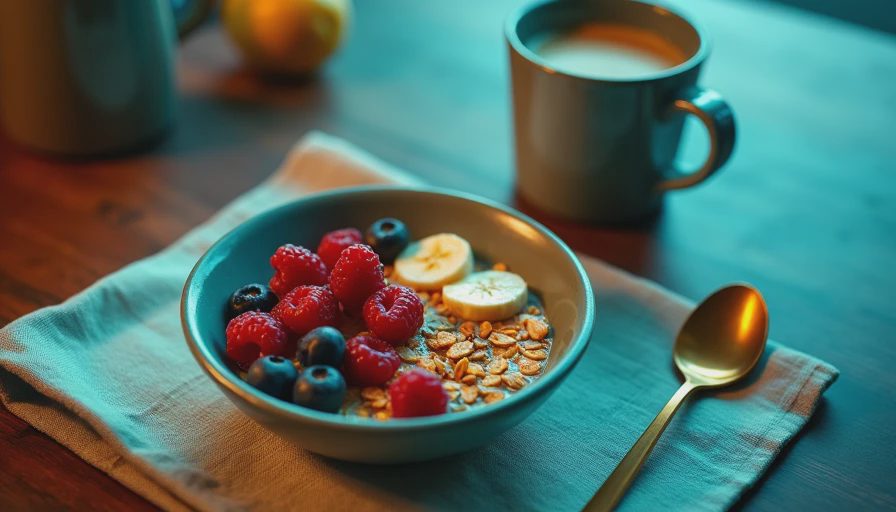
For Friday, make a yogurt breakfast bowl with roasted fruit. Use Greek yogurt, berries or sliced peaches, granola, pumpkin seeds, and a small spoonful of peanut butter. If the fruit is bland, roast it for 15 to 20 minutes with cinnamon and a little maple syrup. Warm fruit brings out sweetness and gives a basic breakfast bowl the feeling of dessert without demanding cake at 8 a.m.
Meal prep without creating sad leftovers
Prepare components, not fully assembled bowls. Cook a batch of rice, potatoes, oats, or farro, then store them in shallow containers so they cool quickly. Make six eggs at once only if you enjoy reheated eggs; otherwise, keep hard-boiled eggs ready and fry or scramble fresh when possible. Wash herbs, slice sturdy vegetables, and portion crunchy toppings into small containers.
For two servings, plan about two cups of cooked base, four eggs or one can of beans, one to two cups of vegetables or fruit, and roughly one-third cup of sauce or toppings. That gives enough variety without turning the refrigerator into a collection of unlabeled science experiments. Most cooked components keep for three to four days when refrigerated promptly, but use your judgment with leftovers and discard anything that smells or looks questionable.
A reheated breakfast bowl benefits from a tablespoon of water added to rice or oats before covering. Warm it gently, then finish with fresh herbs, citrus, or crunch. That final uncooked element is what makes meal prep taste like food instead of administrative paperwork.
Make the bowl fit your actual kitchen
You do not need a special bowl, imported spice collection, or Sunday afternoon devoted to containers. A wide cereal bowl works. H-E-B, Kroger, Walmart, and a nearby market can cover nearly every ingredient in these combinations. If you shop at H-Mart or another international grocery, look for one useful addition such as chili crisp, furikake, tamarind paste, or frozen paratha. Use it as a bridge to familiar ingredients rather than a reason to redesign your pantry.
The best breakfast bowl is the one you will assemble again. Change the base when you have leftover rice, swap beans for chicken, replace berries with bananas, and use hot sauce when you do not have salsa. The structure remains stable while the details move with your groceries. If it works on a Tuesday, it belongs here—and if it works before coffee, it has earned permanent rotation.


No comments yet — grab the first one.