If you are wondering how long to grill corn, the useful answer is usually 10 to 15 minutes over medium-high heat. That timing gives fresh ears enough time to soften while the grill creates those toasted brown spots that make summer corn taste like it has a much more interesting life than it actually does. The exact minutes depend on whether the corn is husked, wrapped, or grilled in its leaves, but the method is forgiving.
Here is the version that works on a Tuesday: heat the grill to about 400 to 450°F, clean the grates, turn the ears every few minutes, and pull them when the kernels are tender with a few charred patches. You do not need a special corn rack, a complicated marinade, or a free afternoon. A pair of long tongs and a little butter are enough to get started.
How long to grill corn by method
For husked corn placed directly on the grates, plan on 10 to 12 minutes. Turn each ear a quarter turn every 2 to 3 minutes so the kernels color evenly instead of burning on one side. This is the fastest route to smoky flavor and visible char.
For corn wrapped in foil, how long to grill corn is closer to 15 to 20 minutes. Foil traps steam, so the kernels cook gently and stay juicy, but they will not brown much unless you unwrap the ears for the final 2 to 3 minutes. Add butter, salt, pepper, or a spoonful of chili-lime sauce before sealing the packet.
For corn grilled in the husk, allow 15 to 20 minutes. Peel away the outer layers if they are very dry, then place the ears directly on the grill. The husk protects the kernels and adds a faint grassy aroma. Turn the ears every 4 to 5 minutes, and expect a softer, less smoky result than with naked corn.
If your ears are unusually large or were refrigerated for several days, add a few minutes. Fresh corn cooks quickly because its kernels contain plenty of moisture. The clock is a guide; the kernels themselves are the final test.
The best grill temperature and setup
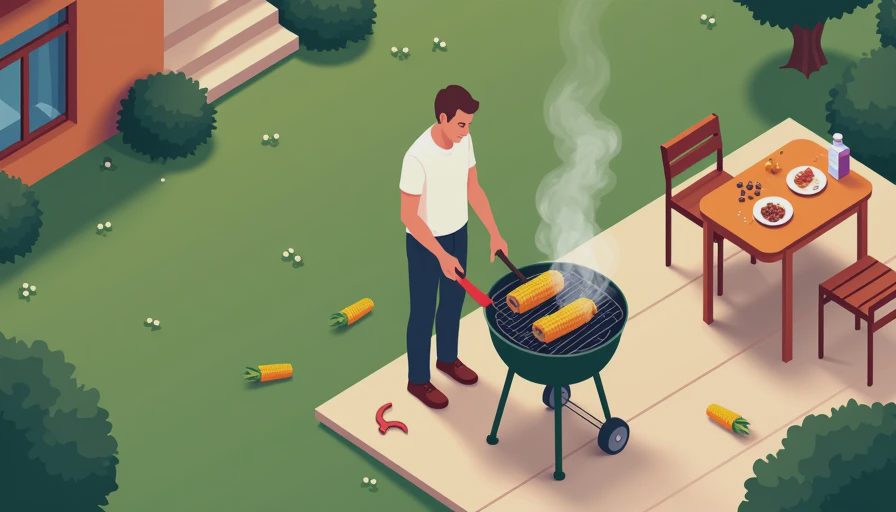
Medium-high heat is the sweet spot for grilled corn. On a gas grill, preheat with the burners on medium-high for 10 to 15 minutes. On charcoal, wait until the coals are covered with gray ash and arrange them into an even layer. A very hot grill can blacken the outside before the center softens, while low heat leaves you waiting and produces pale, steamed corn.
Before cooking, brush the grates clean and lightly oil them if they look dry. Husk the corn and remove the silk, then pat the ears dry. A wet ear will still cook, but excess water delays browning. You can grill the corn plain and season afterward, or brush it with a thin layer of neutral oil. Avoid coating it heavily with butter at the beginning because butter contains milk solids that can burn over direct heat.
Place the ears across the grates, not parallel with the gaps. That makes turning easier and reduces the chance of a runaway ear rolling into the fire. Keep the lid closed between turns so the grill holds a steady temperature.
How to tell when grilled corn is done
Knowing how long to grill corn helps, but visual and texture cues are more reliable than a timer. Done kernels look brighter yellow, feel plump, and give slightly when pressed with tongs. You should see a mix of golden areas and scattered brown or dark spots. A few blackened kernels are welcome; an entire black ear is usually a sign that the heat was too high or the ear sat untouched.
You can test a kernel with the tip of a knife, but tongs are safer and less messy. Lift one end and rotate it. If the ear feels flexible and the kernels look glossy, it is probably ready. Bite testing works too, especially if you are already standing next to the grill. The texture should be juicy and crisp-tender, not hard and starchy.
If the corn is browned but still firm, move it to a cooler part of the grill and close the lid for 3 to 5 more minutes. If it is tender but pale, return it to direct heat for 1 to 2 minutes per side. This is a recoverable dinner, not a product launch with an irreversible deadline.
Seasoning ideas beyond basic butter
Classic butter and salt are excellent, but grilled corn is a useful canvas for bigger flavors. Try softened butter mixed with lime zest, smoked paprika, and a pinch of cayenne. The lime cuts through the sweetness, while the paprika echoes the grill’s smoky edge. For a creamy finish, spread on mayonnaise or Greek yogurt and add grated Parmesan, chopped cilantro, and chili powder.
A fish sauce-lime butter is another fast flavor transfer. Stir one tablespoon of melted butter with half a teaspoon of fish sauce, lime juice, and a little brown sugar. Brush it on after grilling so the salty-sweet mixture stays bright. If fish sauce is not in your pantry, use soy sauce or simply add more salt.
Matt was suspicious of the fish sauce version, which usually means we are onto something. He approved after the first bite, although he still requested one ear with plain butter for quality control. That is a reasonable testing plan.
A reliable step-by-step grilling routine
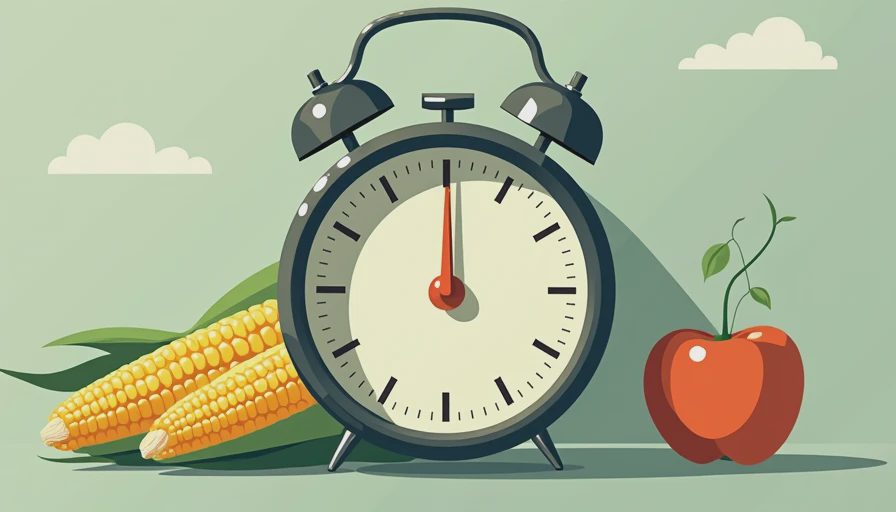
Start by bringing the corn out of the refrigerator while the grill heats. It does not need to reach room temperature, but taking off the chill helps the ears cook more evenly. Remove the husks and silk, rinse away loose strands, and dry the corn.
Next, set the grill for medium-high heat and place the ears over direct heat. Grill for 10 to 12 minutes, turning every 2 to 3 minutes. If the kernels begin darkening too quickly, shift the corn to indirect heat. If you want more color at the end, move it back over the flames for a minute.
Once the ears are tender, transfer them to a platter and let them rest for 2 minutes. This short pause lets the juices settle and gives you time to mix a finishing sauce. Add butter or sauce while the corn is hot so it melts into the small spaces between the kernels.
For a group, plan on one ear per person, plus two extra for hungry guests or accidental quality-control bites. Grilled corn can sit for about 10 minutes and remain enjoyable, making it a practical side for burgers, chicken, shrimp, or a pile of grilled vegetables.
Common mistakes and easy fixes
The most common mistake is putting corn on a blazing-hot grill and walking away. Direct heat is useful, but constant attention matters. Turning frequently prevents one section from scorching while the opposite side stays undercooked.
Another mistake is soaking husked corn before grilling. Water does not magically make the kernels juicier; it mostly creates steam and slows browning. If you like the protection of steam, use the husk or foil intentionally rather than wetting bare ears.
If you are still unsure how long to grill corn, begin checking at 10 minutes for husked ears and 15 minutes for wrapped or husk-covered ears. The safest adjustment is small: add 2 minutes, turn, and check again. Corn is ready when it tastes tender, not when it has obeyed a particular number.
Serve it hot with lime wedges, flaky salt, and plenty of napkins. If it works on a Tuesday, it belongs here.


No comments yet — grab the first one.