If you have mustard, honey, and five minutes, you are already most of the way there. When readers ask how can i make honey mustard, they usually want a sauce that tastes balanced rather than a puddle of yellow mustard sweetened until it becomes candy. Here is the version that works on a Tuesday: creamy, tangy, sweet, and flexible enough for chicken tenders, roasted vegetables, sandwiches, and salads.
The basic honey mustard formula
For about 3/4 cup of sauce, stir together 1/3 cup mayonnaise, 1/4 cup Dijon mustard, 3 tablespoons honey, 1 tablespoon apple cider vinegar, and a small pinch of salt. Add a few turns of black pepper if you like a sharper finish. That ratio gives you enough sweetness to soften the mustard without erasing its bite.
Use Dijon for a smooth, grown-up mustard flavor, yellow mustard for a brighter and milder sauce, or a combination of both. A good starting blend is 2 tablespoons Dijon and 2 tablespoons yellow mustard. Whole-grain mustard also works, although the sauce will have a more textured appearance and a little extra pop.
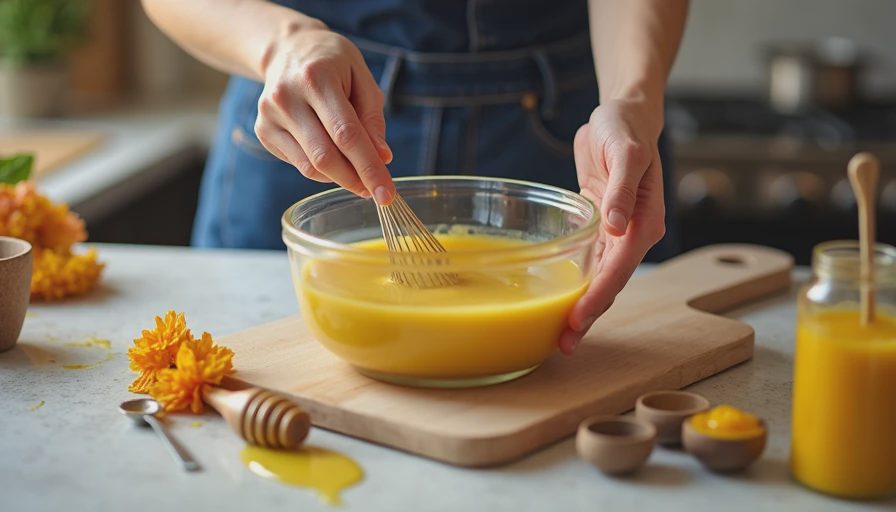
Whisk the ingredients in a small bowl until the color is even and the sauce looks glossy. Let it sit for five to ten minutes before tasting. That short rest matters because the vinegar needs a moment to settle into the mixture. If the sauce tastes too sweet, add vinegar by the teaspoon. If it tastes too sharp, add honey by the teaspoon rather than dumping in another tablespoon and creating a dessert dip.
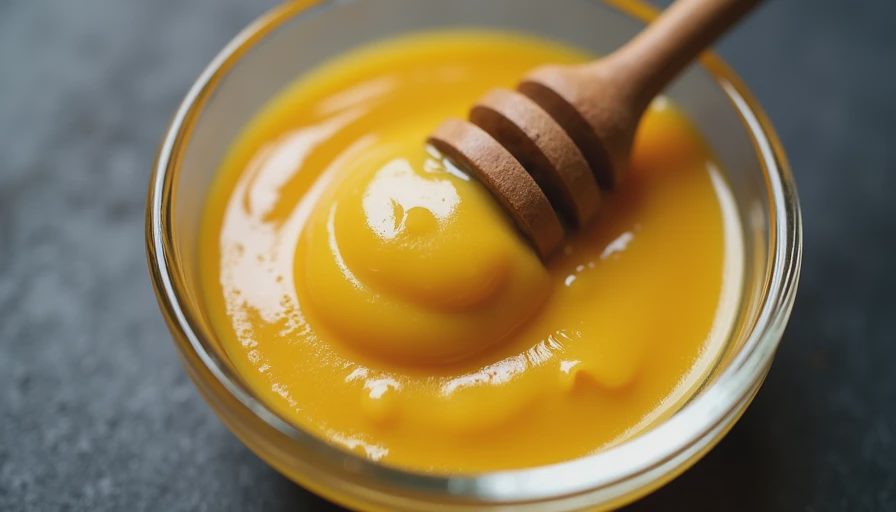
How can i make honey mustard without mayonnaise?
The mayonnaise is there for richness, not because honey mustard requires it. For a lighter, tangier sauce, replace the mayonnaise with plain Greek yogurt. Start with 1/3 cup yogurt, then add the mustard, honey, vinegar, and salt using the same basic amounts. The result is thicker and more acidic, which makes it especially good with grilled chicken, salmon, or roasted sweet potatoes.
For a dairy-free version, use a plant-based mayonnaise or whisk 2 tablespoons olive oil into the mustard and honey. The oil-based sauce will be thinner, so it works better as a salad dressing or drizzle than as a dip. You can also use sour cream, though it creates a richer sauce with a noticeable tang.
If your fridge is a little chaotic, this is still recoverable. No apple cider vinegar? Use lemon juice or white vinegar. No Dijon? Use yellow mustard and a pinch of garlic powder. The flavor will change slightly, but the structure stays intact: creamy or oily richness, mustard heat, sweetness, and acid.
Adjust the flavor without guessing
When figuring out how can i make honey mustard taste less sweet, start with acid. Add 1/2 teaspoon lemon juice or vinegar, stir, and wait a minute before tasting again. Acid cuts sweetness more cleanly than adding more mustard, which can make the sauce harsh. If the sauce is too sharp, add honey in small increments.
For more savory depth, add 1/4 teaspoon garlic powder, a pinch of smoked paprika, or 1 teaspoon soy sauce. The soy sauce adds salt and umami, so taste before adding any extra salt. A little cayenne gives heat without changing the texture. For a global pantry twist, try a tiny spoonful of sambal, chili crisp oil, or grated ginger. These additions are not required, but they turn a familiar dip into something that can carry a whole bowl of rice and vegetables.
The best test is to dip a piece of the food you plan to serve. A sauce that tastes perfect from a spoon may seem too sweet with chicken nuggets or too mild beside roasted broccoli. Matt was suspicious when I added smoked paprika, which usually means we were onto something. He stopped asking what was in it after the second bite.
Ways to use the sauce for dinner
Honey mustard is more useful than a dipping cup beside fries. Toss chicken thighs with a few tablespoons before roasting, then brush on a fresh layer during the last five minutes. Do not use the same sauce that touched raw chicken as a finishing sauce unless you boil it first; reserve a clean portion before marinating.
For sandwiches, spread it on turkey, ham, roast chicken, or a crisp vegetable stack. Add sliced pickles or shredded cabbage to keep the richness from feeling heavy. As a salad dressing, thin it with water, lemon juice, or olive oil until it pours easily. Start with 1 tablespoon liquid at a time so you do not accidentally turn it into yellow soup.
It also works with roasted carrots, air-fryer potatoes, crispy tofu, shrimp, and apple slices. The sweet-tangy profile is especially helpful when dinner has a smoky or salty element. A spoonful stirred into warm grains can become a quick bowl sauce with leftover vegetables and a fried egg.
Storage, texture, and scaling
Store homemade honey mustard in a covered container in the refrigerator. A small jar is ideal because it makes the sauce easy to shake or stir before serving. The mayonnaise and yogurt versions usually keep their best texture for several days. If separation appears, whisk it back together. Always use a clean spoon rather than dipping directly into the jar.
To make a larger batch, multiply each ingredient instead of increasing only the honey. For a party-size 1 1/2 cups, use 2/3 cup mayonnaise, 1/2 cup mustard, 6 tablespoons honey, and 2 tablespoons vinegar. That gives you enough for a vegetable platter, sandwich tray, and a bowl of chicken tenders without requiring a second round.
If the sauce thickens in the refrigerator, stir in water one teaspoon at a time. If it becomes too loose, add a spoonful of mayonnaise or Greek yogurt. Temperature changes the texture, so judge the final consistency after the sauce has chilled for at least 20 minutes.
A practical answer for busy cooks
So, how can i make honey mustard when dinner is already happening? Put mayonnaise, mustard, honey, vinegar, and salt in a bowl, whisk for one minute, and taste it with the food you are serving. Adjust one ingredient at a time. That is the whole method; there is no secret simmer, blender, or specialty-market expedition.
For a balanced everyday batch, use equal attention to sweet, sharp, rich, and salty flavors. The exact brands matter less than the mustard you enjoy eating. Start with the formula above, then make it your own with lemon, garlic, smoked paprika, or chili. If it works on a Tuesday, it belongs here—and this sauce earns its place by making leftovers, lunch, and ordinary vegetables considerably more interesting.


No comments yet — grab the first one.