Rice bowl recipes are my favorite answer to the 6:15 p.m. question: what can we make without going back to the grocery store? A bowl gives you a reliable structure, then lets you improvise around it. Start with rice, add something savory, bring in a vegetable, and finish with a sauce that makes the whole thing taste intentional. If your fridge is a little chaotic, this is still recoverable.
The goal is not to recreate a restaurant dish with twelve specialty ingredients. The goal is dinner that tastes layered but works with a regular supermarket, one skillet, and the energy level of an ordinary Tuesday. I have used jasmine rice, microwave brown rice, leftover basmati, and even a small container of takeout rice. They all have a place here. The bowl is a format, not a purity test.
Build the Bowl in Four Parts
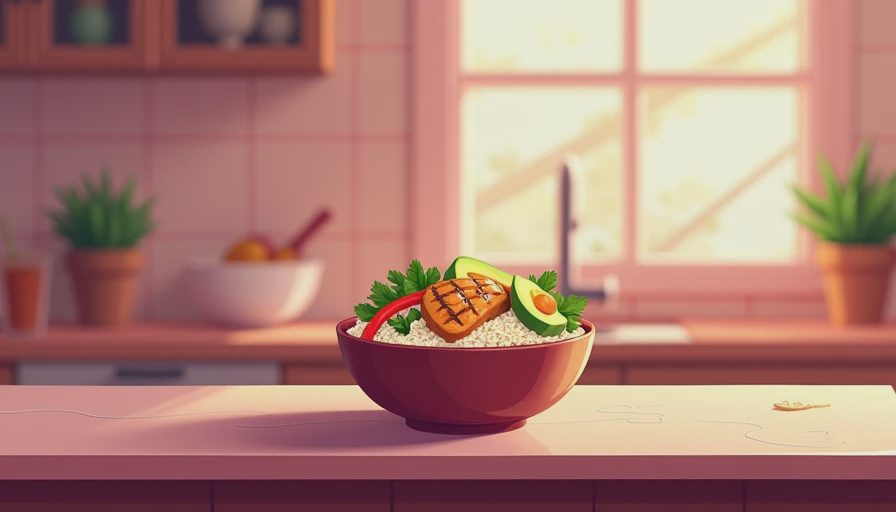
The easiest rice bowl recipes follow four parts: a base, a protein, a vegetable, and a finishing element. Rice is the obvious base, but quinoa, farro, cauliflower rice, or a mixture of grains can work when that is what you have. For two generous bowls, plan on about 2 cups of cooked rice.
For protein, eggs, rotisserie chicken, ground turkey, tofu, canned tuna, shrimp, and leftover steak all behave well. You do not need a separate marinade for every option. A quick sauce added near the end creates plenty of flavor. Ground meat benefits from browning before seasoning, while tofu needs a little more patience so its edges turn crisp instead of soft and forgettable.
Vegetables can be fresh, frozen, or somewhere in between. Shredded cabbage, frozen edamame, baby spinach, carrots, bell peppers, broccoli, cucumbers, and corn are dependable choices. Cook sturdier vegetables first and add tender greens during the final minute. That small timing adjustment keeps the bowl colorful and gives each ingredient a useful texture.
The finishing element is where these rice bowl recipes stop tasting like leftovers. Try lime juice, sliced scallions, toasted sesame seeds, chopped peanuts, cilantro, pickled onions, fried shallots, or a spoonful of chili crisp. You are building contrast: creamy against crisp, salty against bright, warm against cool.
Five Flavor Directions That Work on a Tuesday
A ginger-soy chicken bowl is the dependable starting point. Brown ground chicken or turkey, then add grated ginger, garlic, soy sauce, a teaspoon of brown sugar, and a splash of rice vinegar. Serve it over jasmine rice with cucumbers and shredded carrots. The vinegar matters because it cuts through the sweetness and keeps the bowl from tasting flat.
For a peanut-lime bowl, whisk peanut butter with lime juice, soy sauce, warm water, and a little honey. Use it with roasted sweet potato, cabbage, and tofu or shredded chicken. Start with one tablespoon of warm water and add more slowly; the sauce should pour, not slide off the spoon like soup. A pinch of red pepper flakes gives it enough heat for interest without turning lunch into a dare.
Coconut curry shrimp comes together quickly in a skillet. Cook shrimp until just pink, remove them, then simmer coconut milk with curry powder, garlic, and a squeeze of lime. Return the shrimp for the last minute and spoon everything over rice. Frozen shrimp are entirely respectable here. Thaw them in cold water, dry them well, and they will brown instead of releasing a watery puddle.
A barbecue-inspired beef bowl uses familiar ingredients in a slightly different direction. Cook thinly sliced beef or ground beef with soy sauce, brown sugar, garlic, and black pepper. Add steamed broccoli and finish with sesame seeds. Matt was suspicious of the sugar at first, which usually means we are onto something. The small amount creates a glossy coating, not dessert.
If you want something fresh and low-effort, make a tuna rice bowl. Mix canned tuna with mayonnaise, lime juice, soy sauce, and hot sauce, then layer it over warm rice with avocado, cucumber, and seaweed snacks. This is one of those rice bowl recipes that proves pantry cooking can be satisfying rather than apologetic.
Sauce Is the Shortcut to Better Leftovers
A sauce gives yesterday's ingredients a new job. Keep one or two combinations in your mental pantry. For a soy-lime sauce, stir together three tablespoons of soy sauce, two tablespoons of lime juice, one teaspoon of honey, and a few drops of toasted sesame oil. For a creamy chili sauce, combine mayonnaise, chili crisp, lime juice, and enough water to make it drizzleable.
Taste before adding salt. Soy sauce, chili crisp, canned tuna, and prepared curry paste can all bring plenty already. If the bowl tastes heavy, add acid. If it tastes sharp, add a little sweetness or fat. If it tastes bland despite enough salt, add aromatics such as garlic, ginger, scallions, or toasted spices. This is the useful version of “season to taste”: identify what is missing instead of shaking salt at the problem.
Rice texture also matters. Fresh rice can be soft and steamy, while chilled leftover rice usually fries better. If reheating in the microwave, sprinkle it with a tablespoon of water and cover it loosely. Heat in short intervals, fluffing between them. Dry, hard rice is not a personality trait; it just needs moisture.

Make Rice Bowl Recipes Fit Your Schedule
For a 20-minute dinner, use microwave rice, frozen vegetables, and a fast-cooking protein such as shrimp, eggs, or ground meat. For meal prep, cook a larger batch of rice and store toppings separately so cucumbers stay crisp and sauces do not soak everything overnight. Cooked rice should be cooled and refrigerated promptly, then used within a few days.
A useful Sunday setup is one container of rice, one cooked protein, two vegetables, and one sauce. That combination can become several rice bowl recipes without feeling repetitive. Monday might be chicken with ginger-soy sauce and carrots. Tuesday can use the same rice with a fried egg, spinach, and chili crisp. Wednesday turns remaining vegetables into a peanut-lime bowl. The ingredients repeat, but the flavor direction changes.
For a budget-conscious bowl, choose one expensive or special ingredient and let everything else stay ordinary. Shrimp with frozen broccoli and rice is enough. So is an egg with cabbage, carrots, and scallions. H-Mart may offer interesting sauces and noodles, but you can also find a workable version at a standard supermarket. The recipe should not collapse because one brand of chili paste is unavailable.
Common Problems and Easy Fixes
If the bowl feels dry, add sauce in layers rather than dumping it all on top. Toss the protein with a little sauce, drizzle more over the rice, and finish with lime. If everything is soft, add a raw vegetable or crunchy topping. Cucumber, cabbage, peanuts, sesame seeds, and fried onions solve the problem quickly.
If the flavors are muddy, separate sweet, salty, sour, and spicy elements. A bowl made with sweet teriyaki sauce, sweet carrots, and sweetened rice needs acid or heat. If the protein tastes underseasoned, warm it in a skillet with sauce instead of trying to rescue the finished bowl with salt.
Portioning is straightforward: fill roughly half the bowl with rice and vegetables together, then add a palm-sized portion of protein and enough sauce to connect the flavors. That is guidance, not a rule carved into a cutting board. Hungry people can have more rice. The point is balance, not a tiny decorative serving.
A Flexible Bowl to Start Tonight
Try this combination: hot jasmine rice, browned ground turkey, sautéed cabbage, shredded carrot, cucumber, and a ginger-lime sauce. Cook the turkey with garlic, ginger, soy sauce, and a little brown sugar. Add cabbage to the same skillet so it picks up the browned bits. Mix lime juice, soy sauce, honey, and sesame oil for the sauce, then finish with scallions and peanuts.
This is the kind of bowl I want from rice bowl recipes: fast enough for a worknight, flexible enough for substitutions, and flavorful enough that nobody asks whether it was “just leftovers.” Use chicken if that is what you have. Swap cabbage for frozen broccoli. Replace peanuts with sesame seeds. If it works on a Tuesday, it belongs here.
No comments yet — grab the first one.