Here is a question I get a lot, usually from someone who just got back from a trip and wants to recreate the flavors they loved, but for a household that does not do "hot."
"How do I make this less spicy without making it taste like nothing?"
It is a good question. It is also a question with a clear answer.
I have spent years learning to manage heat for Matt. Not eliminate it. Manage it. The goal is not bland food. The goal is accessible food — food that has flavor and depth but does not make anyone reach for a glass of milk.
Here are three ways I do it.
Method 1: Use the Fat
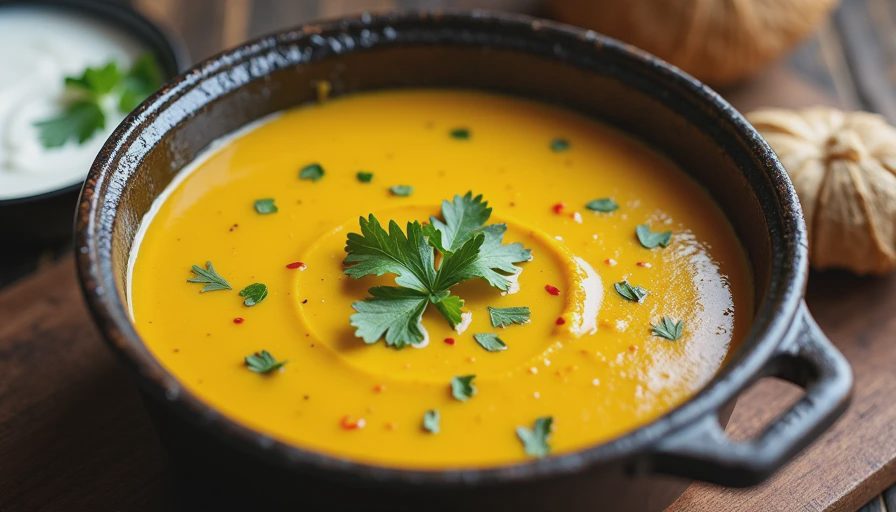
Capsaicin — the compound that makes chilies hot — is fat-soluble. It does not dissolve in water. It dissolves in oil, butter, coconut milk, and yogurt.
That means if a dish is too spicy, adding fat will reduce the perceived heat without changing the flavor profile. It literally dilutes the capsaicin and coats your palate so the heat hits less aggressively.
How I use it:
Coconut milk in curries: This is the classic move. Add an extra half-cup of coconut milk to a too-spicy curry. The heat drops, the richness increases, and the dish feels more substantial.
Butter or oil in stir-fries: Finish a stir-fry with a pat of butter or a drizzle of sesame oil. The fat mellows the heat and adds a glossy finish.
Yogurt on the side: I serve yogurt or sour cream with any dish that has heat. Not mixed in — on the side. Guests control how much they want to cool things down.
The key: Add fat early enough to integrate, or serve it on the side for individual control. Both work.
Method 2: Add Sweetness
Sweet balances heat. It is not a chemical reaction — it is a taste perception thing. Your palate registers sweetness and heat on different receptors. When both are present, the sweetness softens the burn without dulling the flavor.
This is why so many spicy cuisines include a sweet element: honey in chili crisp, sugar in Thai curries, sweet corn in Sichuan dishes.
How I use it:
Honey in marinades: A teaspoon of honey in a chili-based marinade reduces the burn and adds a caramelized finish.
Brown sugar in sauces: I add brown sugar to any sauce that has chili heat. The molasses notes also add depth.
Fruit in salsas: Mango, pineapple, or even orange segments in a spicy salsa. The fruit gives you a hit of sweetness that tames the chili.
Caramelized onions: I add them to anything where I want sweetness to develop slowly and naturally.
The key: Add sweetness gradually. You can always add more, but it is hard to take it out.
Method 3: Remove the Heat Source Strategically
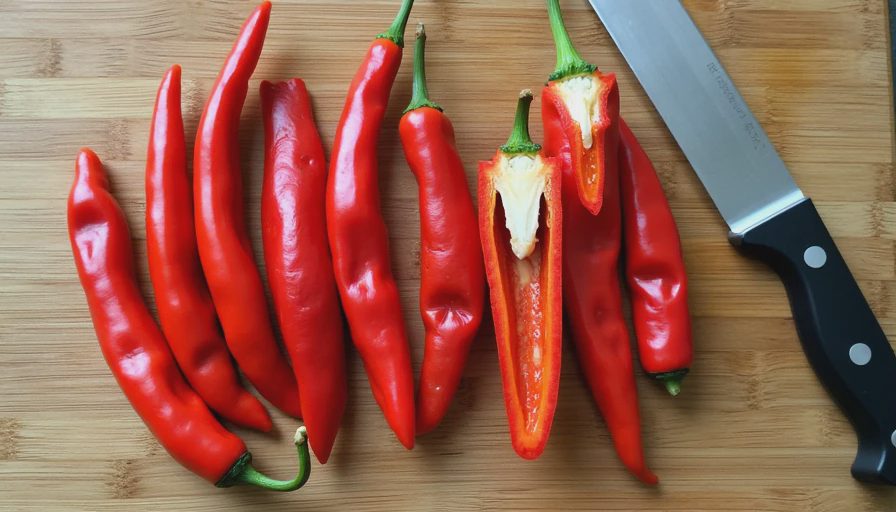
Some parts of a chili are hotter than others. If you know where the heat lives, you can control how much of it ends up in your dish.
Heat distribution in chilies:
Part | Heat Level | Strategy |
|---|---|---|
Seeds | Hottest | Remove them entirely |
White pith/ribs | Very hot | Scrape them out before chopping |
Flesh | Mild | Keep it — this is the flavor |
Skin | Moderate | Roasting mellows it |
How I use it:
Fresh chilies: I cut them open, remove the seeds and pith, and use only the flesh. The flavor remains, the heat drops significantly.
Dried chilies: I soak them in warm water to soften, then remove the seeds before blending into sauces or pastes.
Chili flakes: I make my own using flesh-only chili pieces, not whole flakes with seeds.
The key: The seeds and pith contain most of the heat. Remove them, and you keep the chili flavor without the overwhelming burn.
What This Looks Like in Practice
Here is a side-by-side example of how I adapt a recipe for Matt versus for myself.
The dish: Thai-inspired stir-fried noodles with chili.
Component | Matt Version | My Version |
|---|---|---|
Chili | 1 Thai chili, seeds and pith removed | 3 Thai chilies, whole |
Oil | Sesame oil at the end (extra fat) | Neutral oil only |
Sweet | 1 tsp brown sugar added | No added sugar |
Sauce | Fish sauce + lime + brown sugar | Same, but with more chili paste |
Garnish | Lime wedges, peanuts | Lime wedges, peanuts, extra chili flakes |
Same dish. Same flavor profile. One is accessible, one is intense. Matt eats his without breaking a sweat. I add my own heat at the table.
The Three Heat Management Tools Summary
Method | How It Works | Best For |
|---|---|---|
Add fat | Dissolves capsaicin, coats palate | Curries, stir-fries, soups |
Add sweetness | Balances heat perception | Marinades, sauces, glazes |
Remove seeds/pith | Physically removes capsaicin | Any dish using fresh or dried chilies |
What Matt Thought About This Post
I asked Matt if he noticed that I managed the heat in his food.
He said, "I know you do something. I just know that your food is never too hot for me. But it does not taste like you took anything out. It just tastes like ... food I want to eat."
That is the whole thing right there. If you do it right, no one notices the heat management. They just notice that dinner tastes good.
The Takeaway
Toning down heat is not a failure of ambition. It is a skill. It means you understand the ingredient well enough to adjust it.
The goal is not to make food less spicy. The goal is to make food more accessible while keeping the flavor intact. Fat, sweetness, and seed removal are three tools that let you do exactly that.
Use them. Your Matt will thank you.
— Elena



No comments yet — grab the first one.