Puerto Rican rice is the kind of dish that makes a regular dinner feel planned, even when you started cooking twenty minutes ago. The grains are savory, lightly tomatoey, and scented with sofrito, while pigeon peas add enough substance to turn a side dish into a useful leftover. Here is the version I make when I want big flavor without a specialty-store scavenger hunt.
This recipe is built for four to six servings and uses a standard heavy pot, a normal stovetop, and ingredients available at most large American supermarkets. If your fridge is a little chaotic, this is still recoverable. The rice is forgiving as long as you control the liquid, keep the lid closed, and give the grains time to steam.
What gives Puerto Rican rice its flavor
The backbone is sofrito, a blended mixture commonly made with ingredients such as onion, peppers, garlic, cilantro, and culantro. Store-bought sofrito is completely reasonable here. Goya sells jarred versions in many grocery stores, and frozen sofrito is often available in Latin American markets. Homemade is excellent, but dinner does not become more authentic because you chopped vegetables while hungry.
For the tomato element, use two tablespoons of tomato sauce or a spoonful of tomato paste loosened with water. You are not making red rice that tastes like pasta sauce. The tomato should give the broth color and a rounded savory note. Green olives, dried oregano, and a bay leaf add the background flavor that makes Puerto Rican rice taste much more complex than its ingredient list suggests.
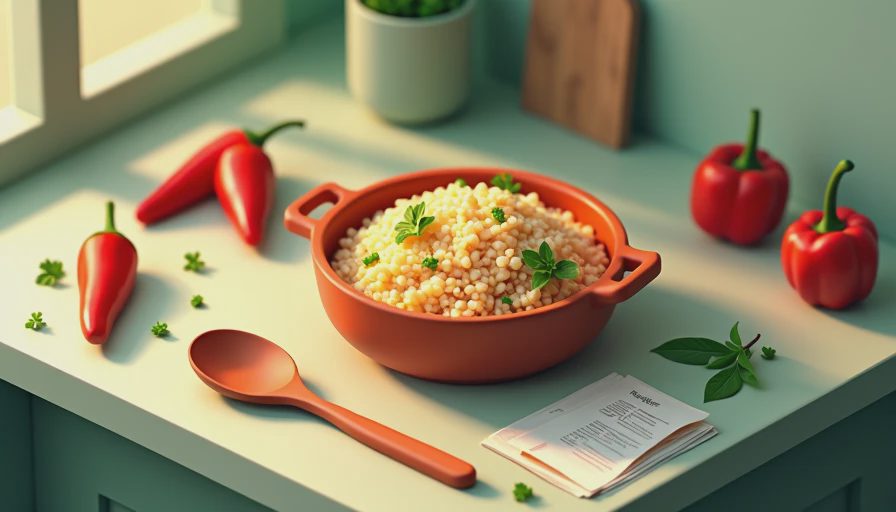
The rice itself matters. Choose long-grain white rice, such as Mahatma or Goya. Avoid instant rice and very sticky short-grain varieties for this method. Rinse the rice until the water is mostly clear, then drain it well. Rinsing removes excess surface starch, which helps the finished grains stay separate instead of forming one enormous rice pancake.
Ingredients and practical substitutions
You will need two cups of long-grain white rice, two tablespoons of neutral oil, one-third cup of sofrito, two tablespoons of tomato sauce, one teaspoon of dried oregano, one bay leaf, one and one-quarter teaspoons of kosher salt, one can of pigeon peas, and two and one-quarter cups of chicken broth or vegetable broth. Add eight to ten pitted green olives if you like their briny edge.
Pigeon peas are traditional and worth seeking out, but black beans or pink beans work when that is what the pantry offers. The result will not be identical, yet it will still be good food. For a vegetarian version, use vegetable broth and check that your sofrito contains no animal-based ingredients. Brown rice requires a different liquid ratio and cooking time, so do not swap it in casually and expect the same pot to cooperate.
If you only have water, add a little extra salt and use a bouillon cube or teaspoon of Better Than Bouillon if available. Broth brings useful seasoning, but it is not a magic requirement. The main goal is a flavorful cooking liquid that the rice can absorb from the inside out.
How to cook Puerto Rican rice without mush
Warm the oil in a four-quart pot or Dutch oven over medium heat. Add the sofrito and cook for two to three minutes, stirring often. When I say cook until fragrant, I mean 45 to 60 seconds after the mixture begins to sizzle, not a spiritual journey. Add the tomato sauce, oregano, bay leaf, salt, and olives, then stir for another minute.
Add the rinsed rice and stir until every grain is coated. Toast it for about two minutes. This small step gives Puerto Rican rice a deeper flavor and helps the grains hold their shape. Pour in the broth and pigeon peas, scrape the bottom of the pot, and raise the heat until the liquid reaches a lively simmer.
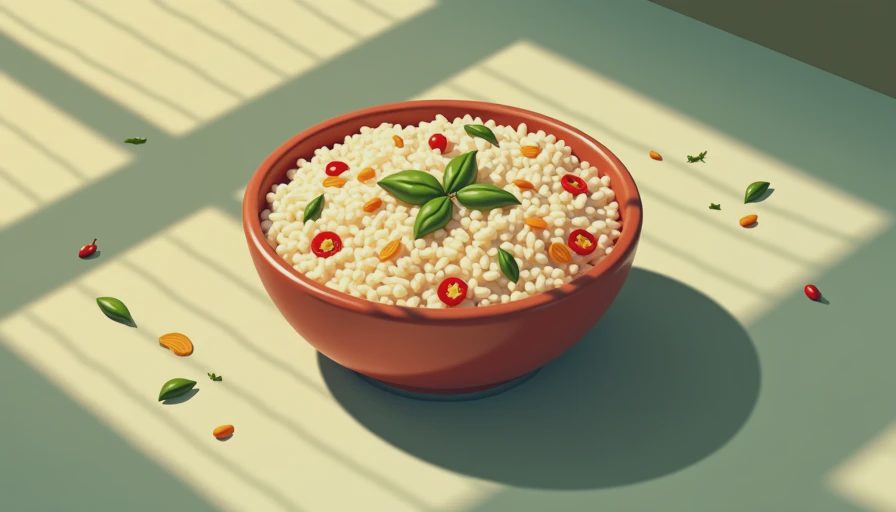
Stir once, reduce the heat to low, and cover the pot tightly. Cook for 20 minutes. Do not keep lifting the lid to check progress; every peek releases steam that the rice needs. After 20 minutes, turn off the burner and let the pot rest, covered, for 10 minutes. Fluff gently with a fork, remove the bay leaf, and taste for salt.
How to serve it for dinner
Puerto Rican rice works beside roasted chicken, pan-seared pork chops, grilled shrimp, or simple sautéed vegetables. For a fast bowl, top it with a fried egg, avocado, and a spoonful of hot sauce. A lime wedge is not essential, but its acidity wakes up the tomato and cuts through the richness of the sofrito.
For a weeknight meal, I usually serve it with rotisserie chicken and a bagged salad dressed with olive oil and vinegar. That combination takes roughly thirty minutes and feels more complete than the effort involved. Matt was suspicious when I first served rice with an egg instead of meat, which usually means we are onto something. He went back for seconds.
At a dinner for six, add a crisp vegetable such as roasted green beans or a cabbage slaw. The rice is soft and savory, so a crunchy side keeps the plate from becoming one-note. You can also spoon it into small bowls as a potluck side; it travels well if kept warm and covered.
Troubleshooting and smart swaps
If the rice is crunchy, sprinkle two to four tablespoons of hot water over the top, cover the pot, and cook on low for five to eight more minutes. If it is wet, leave the lid off over low heat for a few minutes, then rest it again. Do not aggressively stir wet rice, because that releases starch and makes the texture heavier.
If the bottom catches slightly, move the unburned rice to a clean bowl without scraping the base. A thin toasted layer is not automatically a disaster; a black layer with a bitter smell is different. Next time, use a heavier pot or lower the heat once the broth begins simmering.
For Puerto Rican rice with more heat, add a pinch of crushed red pepper or a few drops of hot sauce to the cooking liquid. For a meatier version, brown diced ham or bacon before adding the sofrito, then reduce the added salt. For extra vegetables, stir in frozen peas during the final five minutes, though I would not overload the pot with fresh vegetables because they change the moisture balance.
Leftovers, storage, and the final plan
Cool leftovers promptly and refrigerate them in a shallow container for up to four days. Reheat a serving in the microwave with a tablespoon of water, covering it loosely so the steam returns to the grains. You can also warm it in a skillet with a splash of broth. The texture is usually best on the first two days, but the flavor becomes even more integrated overnight.
Leftover Puerto Rican rice makes an excellent base for lunch bowls. Add shredded chicken, canned tuna, roasted vegetables, or black beans, then finish with avocado or a fried egg. It can also fill burritos, accompany soup, or become the foundation of a quick skillet dinner with whatever vegetables are waiting in the crisper drawer.
The method is more important than perfection: rinse the rice, season the liquid, simmer gently, and let the covered pot rest. Once you understand those four moves, Puerto Rican rice becomes a dependable template rather than a recipe you need to guard like a lab experiment. If it works on a Tuesday, it belongs here.



No comments yet — grab the first one.