Choosing canned tuna for tuna salad looks like a tiny grocery decision until you open a can that turns lunch into fish-flavored paste. The good news is that the right option is easy to identify once you know what texture, packing liquid, and flavor you want. Here’s the version that works on a Tuesday: choose a can with enough structure to flake, drain it properly, and season the mixture beyond mayonnaise.
Which type of tuna works best?
For most tuna salad, solid or chunk tuna is the best starting point. Solid tuna contains larger pieces that stay distinct when you fold in mayonnaise, celery, herbs, or pickles. Chunk tuna is more broken up and usually costs less, but it can still make a good sandwich if you avoid aggressive stirring. Flaked tuna is the softest option and works well for spreads, rice bowls, or a creamy filling where texture is less important.
Skipjack, often labeled light tuna, has a stronger flavor and softer texture than albacore. It is usually the practical pantry choice for a bold tuna salad with mustard, hot sauce, capers, or chopped jalapeno. Albacore, sometimes labeled white tuna, has larger, firmer flakes and a milder taste. It is useful when you want the fish to feel more like the main ingredient, especially with lemon, olive oil, and fresh herbs.
When I buy canned tuna for tuna salad, I check the packing liquid next. Water-packed tuna is lighter and easier to season from scratch. Oil-packed tuna is richer and can have a more luxurious texture, but drain it thoroughly before adding mayonnaise. The oil is not a problem; an oily puddle at the bottom of the bowl is.
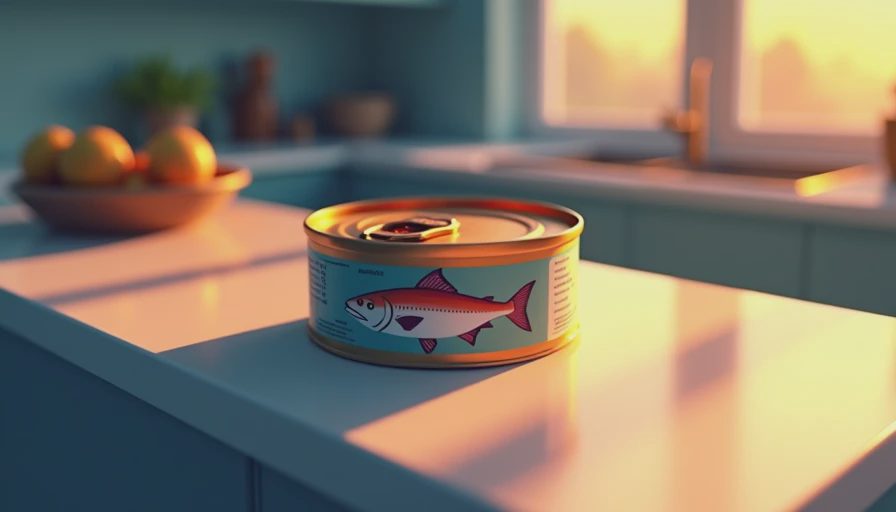
How to make canned tuna taste fresh
Good canned tuna for tuna salad needs contrast. Start with one 5-ounce can, drained and flaked into a bowl. Add 2 tablespoons mayonnaise, 1 teaspoon Dijon mustard, 1 tablespoon lemon juice, and a few grinds of black pepper. Then add texture: 2 tablespoons finely chopped celery, scallions, cucumber, or dill pickles. The goal is not to bury the fish. It is to give each bite salt, acid, creaminess, and crunch.
A useful ratio is about 2 tablespoons of creamy dressing per 5-ounce can. Add more by the teaspoon rather than pouring freely. If the salad becomes loose, stir in chopped celery, mashed white beans, or a spoonful of Greek yogurt. If it feels dry, add lemon juice or mayonnaise one teaspoon at a time. A dry mixture usually needs moisture; a bland mixture usually needs salt or acid. They are different problems, despite both looking sad in a bowl.
For a brighter flavor, use half mayonnaise and half plain Greek yogurt. For a dairy-free version, use olive oil, lemon juice, Dijon, and a small spoonful of mashed avocado. Sesame oil, grated ginger, and a splash of rice vinegar can push the salad toward a Japanese-inspired flavor without requiring a special shopping trip. Fish sauce works too, but start with just a few drops because it adds salt quickly.
Three flavor directions for the same can
Canned tuna for tuna salad does not have to mean celery, mayonnaise, and a lonely piece of lettuce. The classic version gets a small upgrade with Dijon, dill, lemon zest, celery, and chopped cornichons. Serve it on toasted sourdough with tomato, or spoon it into a pita with shredded romaine.
For a Mediterranean direction, combine tuna with olive oil, lemon, parsley, chopped roasted red pepper, white beans, and a few crumbled olives. You can skip mayonnaise entirely. This version is especially good over greens or warm couscous, and it holds up better in a lunch container because it does not depend on bread staying crisp.
For a Southeast Asian-inspired bowl, mix tuna with lime juice, a little mayonnaise, grated ginger, scallion, cilantro, and chili crisp. Add shredded cabbage and serve with rice. If chili crisp is not in your pantry, use red pepper flakes and a teaspoon of neutral oil. The flavor should be lively, not punishing. Matt was suspicious of this one, which usually means we were onto something; he went back for the last spoonful.
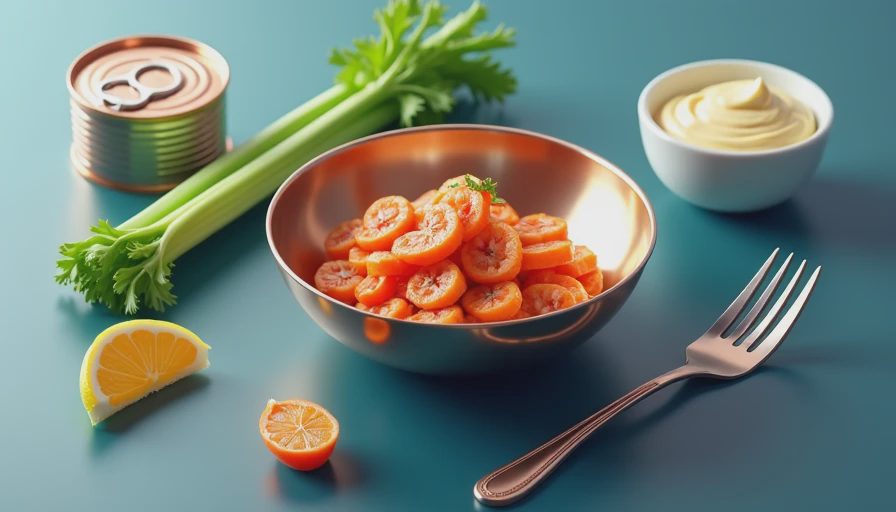
Drain, mix, and chill in the right order
Drain the can over the sink, then press the lid gently against the fish to remove excess liquid. Do not squeeze until the tuna becomes compact and dry. Transfer it to a bowl and break up large pieces with a fork. Add seasonings and acid before the creamy ingredient. This distributes salt and lemon more evenly and prevents you from using extra mayonnaise to compensate for a flat flavor.
Fold the mixture with a fork or flexible spatula using about six to eight turns. Stirring for a full minute creates a uniform paste, especially with soft light tuna. Leave some flakes visible. Taste after mixing, then wait five minutes before making the final adjustment. The celery softens slightly, the pepper becomes more noticeable, and the fish absorbs the dressing.
Canned tuna for tuna salad can be served immediately, but 15 to 30 minutes in the refrigerator improves the balance. Store leftovers in a covered container and use them within three to four days. Keep the salad cold, and do not leave it sitting out for hours at a picnic or on a warm car seat. Lunch deserves better logistics.
Smart substitutions when the fridge is chaotic
If you have no celery, use chopped cucumber, radish, apple, or snap peas. Each adds crunch, although apple brings sweetness and radish brings peppery heat. No Dijon? Yellow mustard works, or use a little vinegar and black pepper. Fresh herbs are helpful but not mandatory: dried dill, parsley, or chives can fill the gap if you use a light hand.
Canned tuna for tuna salad can also stretch farther with mashed chickpeas, white beans, diced boiled egg, or cooked pasta. Add the extender gradually so the finished mixture still tastes like tuna rather than a pantry scavenger hunt. One can mixed with half a cup of chickpeas makes a filling topping for toast or greens and can serve two people comfortably.
If the flavor is too fishy, add lemon juice, capers, mustard, or chopped pickles. If it is too salty, fold in plain yogurt, unsalted beans, or extra vegetables. If it is mushy, do not keep stirring. Add crunch and let it rest in the refrigerator. Most tuna salad problems are recoverable; the bowl is not a crime scene.
Buying canned tuna for tuna salad without overthinking it
A supermarket shelf may offer StarKist, Bumble Bee, Chicken of the Sea, store brands, and premium options packed in olive oil. Brand matters less than the label’s tuna type, packing liquid, can size, and texture. A 5-ounce can is a useful single-lunch portion, while larger cans make sense for meal prep or feeding three to four people.
Look for intact cans with no bulging, leaking, or deep dents along the seams. Compare unit prices rather than the large package price. If you like firm flakes, spend a little more on solid albacore; if you are mixing in beans, pickles, or spicy dressing, an affordable chunk-light can is usually enough. Canned tuna for tuna salad is a flexible ingredient, not a luxury product requiring a pantry audit.
The best method is the one you will repeat. Keep one mild can and one bolder option in the cupboard, then stock two crunchy ingredients and one acidic ingredient in the refrigerator. With that small system, canned tuna for tuna salad becomes a reliable lunch instead of an emergency meal. If it works on a Tuesday, it belongs here.


No comments yet — grab the first one.