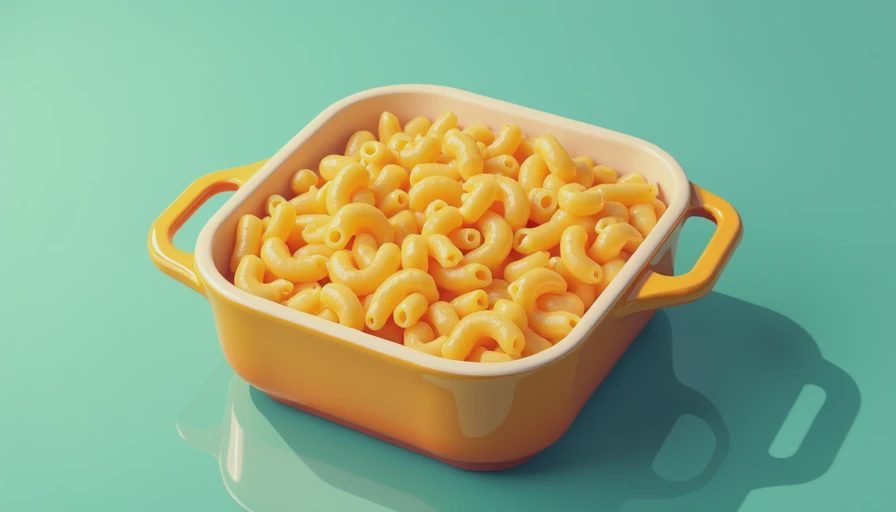
There are recipes that require a free afternoon, three specialty cheeses, and the emotional stamina to wash six pans. Then there is old fashioned baked macaroni and cheese: tender pasta, a savory cheese sauce, and a browned top that makes the kitchen smell like somebody knows exactly what they are doing. This is the version I make when I want comfort without turning dinner into a production meeting.
The goal is a casserole that stays creamy after baking rather than becoming a stiff block with a cheese hat. The method is straightforward, but a few details matter: grate the cheese yourself, cook the pasta just shy of done, and do not bake it until every last bit of sauce has evaporated. If your fridge is a little chaotic, this is still recoverable.
Why this version works
Old fashioned baked macaroni and cheese usually gets its character from a simple cheese sauce rather than a complicated ingredient list. Butter and flour create a roux, milk loosens it into a smooth base, and sharp cheddar brings the familiar flavor. I add a little Monterey Jack because it melts smoothly and keeps the cheddar from turning grainy. A small amount of dry mustard makes the cheese taste more like cheese; it does not make the casserole taste like mustard.
For six generous servings, use 12 ounces of elbow macaroni, 4 tablespoons of butter, 4 tablespoons of all-purpose flour, 3 cups of whole milk, 2 cups of shredded sharp cheddar, 1 cup of shredded Monterey Jack, 1 teaspoon of kosher salt, half a teaspoon of black pepper, and half a teaspoon of dry mustard. For the topping, combine 1 cup of cheddar with half a cup of panko or regular breadcrumbs and 1 tablespoon of melted butter.
When possible, buy a block of cheddar and grate it at home. Pre-shredded cheese often contains anti-caking ingredients that can make a sauce less silky. This is not a character judgment against bagged cheese. It is simply a texture problem with a very affordable solution.
Build the sauce without rushing
Heat the oven to 375 degrees Fahrenheit and butter a 9-by-13-inch baking dish. Bring a large pot of salted water to a boil. Cook the macaroni for about two minutes less than the package directions suggest. It should be flexible but still noticeably firm in the center. Drain it well and do not rinse it; the surface starch helps the sauce cling.
While the pasta cooks, melt the butter in a saucepan over medium heat. Whisk in the flour and cook for about 60 seconds. When I say cook until fragrant, I mean 45 to 60 seconds, not a spiritual journey. The mixture should look smooth and lightly foamy, with no raw flour smell.
Pour in the milk gradually while whisking. Add it in three or four additions, whisking until smooth after each one. Keep stirring until the sauce thickens enough to coat a spoon, usually five to seven minutes. It does not need to bubble aggressively. Take the pan off the heat, then stir in the cheddar, Monterey Jack, salt, pepper, and dry mustard a handful at a time.
Adding the cheese off the heat is one of the quiet tricks behind good old fashioned baked macaroni and cheese. High heat can cause dairy proteins to tighten and separate, especially when using sharp cheddar. If the sauce looks slightly loose, that is fine. The pasta will absorb some moisture, and the oven will finish the job.
Assemble and bake for the right texture
Stir the drained macaroni into the cheese sauce until every curve is coated. Transfer everything to the prepared baking dish. Mix the topping ingredients in a small bowl, then scatter them evenly across the surface. An even layer gives you crisp bites throughout instead of one dramatic breadcrumb mountain in the middle.
Bake for 20 to 25 minutes, until the edges are bubbling and the top is golden. If your oven browns unevenly, rotate the dish once after 15 minutes. Let the casserole rest for 10 minutes before serving. That short pause allows the sauce to settle, which means it lands on the plate as creamy pasta instead of orange lava running in every direction.
This old fashioned baked macaroni and cheese is best served warm, not scorching hot. The flavor becomes clearer as it cools slightly. I like it with a green salad, roasted broccoli, or sliced tomatoes with a little salt. A crisp vegetable side cuts through the richness without pretending dinner is a wellness retreat.

Smart substitutions for a normal fridge
You can replace some or all of the Monterey Jack with low-moisture mozzarella, Colby, mild cheddar, or Fontina. Avoid using only mozzarella unless you specifically want a stretchy, mild casserole; it does not bring enough sharpness on its own. A small amount of Parmesan in the topping adds savory depth, while smoked cheddar can make the dish taste more assertive without adding hot spice.
For milk, whole milk gives the fullest sauce, but 2 percent works. Half-and-half creates a richer result, though the casserole can feel heavier. I would skip fat-free milk here because the sauce loses body and the flour has to do too much structural work. Evaporated milk is a useful pantry option when you want extra creaminess without buying cream.
If you have leftover roasted chicken, steamed broccoli, chopped ham, or sautéed mushrooms, fold in one to two cups before baking. Keep additions modest. Old fashioned baked macaroni and cheese needs enough sauce to remain creamy, and too many extras turn the dish into a crowded casserole with no clear plan.
Make-ahead, storage, and reheating
To prepare ahead, assemble the dish, cover it tightly, and refrigerate it for up to one day. Let it sit at room temperature for about 20 minutes while the oven heats, then bake covered with foil for 20 minutes and uncovered for another 15 to 20 minutes. The center should be hot and the edges should bubble. Add a splash of milk around the edges before reheating if the pasta looks thirsty.
Leftovers keep in the refrigerator for three to four days. Reheat individual portions in the microwave at 50 to 70 percent power, stirring once and adding a teaspoon or two of milk. For a larger amount, cover the dish with foil and warm it at 325 degrees until heated through. The topping will not be quite as crisp on day two, but a few minutes uncovered in the oven helps.
The small details that save dinner
If the sauce becomes lumpy, keep whisking over low heat and strain it before adding the cheese. If it seems too thick, loosen it with warm milk rather than water. If the finished casserole looks dry, it was probably baked too long or held too long before serving; next time, pull it when the center still has a gentle wobble.
I tested this with a very sharp store-brand cheddar and then with Tillamook medium cheddar. The sharp version had more personality, but the medium cheddar produced a smoother, milder result that pleased Matt immediately. Matt was suspicious, which usually means we are onto something. The final old fashioned baked macaroni and cheese is forgiving enough for beginners and specific enough to repeat.
That is the real reason this recipe stays in rotation. It uses ordinary ingredients, feeds a table without fuss, and gives you a clear path when substitutions are necessary. If it works on a Tuesday, it belongs here.




No comments yet — grab the first one.