If you are scooping seeds out of a pumpkin and wondering whether they are worth the extra work, the answer is yes. The useful part is knowing how to bake pumpkin seeds without ending up with damp centers, scorched edges, or a bowl of seasoning dust at the bottom of the pan. This method uses an ordinary sheet pan, a little oil, and seasonings you probably already have. Here is the version that works on a Tuesday, even if your pumpkin-carving station looks like a small orange disaster.
Start with clean, dry seeds
Separate the seeds from the pumpkin pulp first. Put everything into a large bowl of cold water and rub the seeds between your fingers. The stringy pulp will loosen and float around while the heavier seeds sink. Pull off as much pulp as you can, but do not panic over a few stubborn strands. They add character, or at least a story.
Drain the seeds in a colander, then spread them on a clean kitchen towel. Pat them thoroughly and let them air-dry for 20 to 30 minutes. Surface moisture is the biggest reason roasted seeds steam instead of crisp. If you have time, leave them uncovered for an hour. Do not use a thick pile of paper towels unless you enjoy picking tiny white fibers off every seed.
For about 1 cup of raw seeds, plan on 1 teaspoon of neutral oil or olive oil and about 1/4 teaspoon of fine salt. Pumpkin seeds vary in size, so use texture as your final guide rather than treating the measurements like a contract.
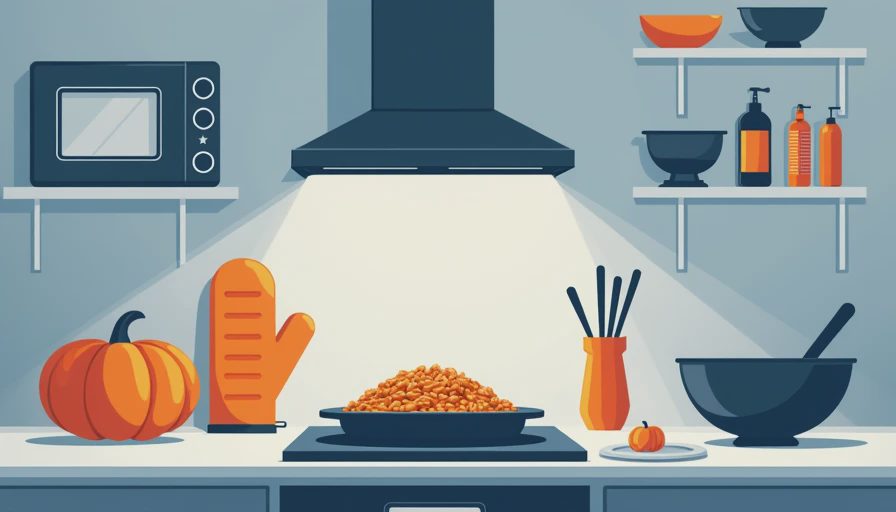
How to bake pumpkin seeds in the oven
Heat the oven to 350 degrees F. Line a rimmed baking sheet with parchment if you want easier cleanup, although a lightly oiled metal pan gives the seeds especially good browning. Spread the dry seeds in one layer. Crowding makes them trap steam, so use a second pan if the seeds overlap heavily.
Toss the seeds with oil and salt directly on the sheet. Bake for 12 minutes, then stir or shake the pan. Continue baking for 8 to 12 minutes, checking every few minutes near the end. The seeds are ready when they smell nutty, look lightly golden, and make a dry, crisp sound when you move them. A batch usually takes 20 to 25 minutes, but large seeds can need a few extra minutes.
The seeds continue crisping as they cool. Take them out when they are golden rather than dark brown; the difference between toasted and bitter can be less than three minutes. Let them cool on the baking sheet for at least 10 minutes before tasting. If you are learning how to bake pumpkin seeds, this cooling step is not optional theater. It gives the interior time to firm up.
Seasoning ideas beyond basic salt
Salt and oil are enough for a dependable snack, but pumpkin seeds are an excellent vehicle for stronger flavors. Add dry spices after baking if you are using delicate herbs or powdered ingredients that could burn. Toss the hot seeds with a small pinch of smoked paprika, ground cumin, garlic powder, and lime zest for a smoky, bright combination. A little cayenne works too; start with 1/8 teaspoon for a mild batch.
For a Thai-inspired version, use lime zest, a pinch of ground coriander, and a very small amount of crushed red pepper. If you have furikake, sprinkle it over the warm seeds with a teaspoon of melted butter. A sweet-savory batch can use cinnamon, brown sugar, and salt, but add the sugar during the final five minutes so it does not scorch.
Matt was suspicious of the cumin and lime version, which usually means we were onto something. He ate half the tray while standing near the oven, a highly informal but useful serving-size test.
Common problems and quick fixes
If the seeds are chewy, they were probably too wet or packed too closely together. Return them to a 300-degree F oven for 8 to 12 minutes, spreading them more widely, then cool completely. If the outside is burned while the center is soft, lower the oven to 325 degrees F and extend the cooking time. Smaller seeds often do better at the lower temperature.
If the seasoning falls off, toss the seeds with oil before baking and add powdered spices while they are still warm. Wet sauces require more caution. Soy sauce, hot sauce, or maple syrup can taste excellent, but use only 1 to 2 teaspoons per cup of seeds and bake at 325 degrees F. Stir once or twice so the coating dries instead of forming one sticky sheet.
When you are testing how to bake pumpkin seeds, change one variable at a time: drying, oven temperature, pan space, or seasoning. That turns a disappointing batch into useful information rather than a reason to blame the pumpkin.

Using the seeds in everyday meals
Roasted pumpkin seeds are not limited to snacking. Scatter them over butternut squash soup, chili, roasted carrots, or a simple green salad. Their crunch is especially helpful in soft meals such as rice bowls and oatmeal. Try them on avocado toast with flaky salt, or fold a handful into trail mix with dried cranberries and dark chocolate.
For a weeknight grain bowl, combine cooked rice, leftover chicken or roasted vegetables, cucumber, and a quick sauce made from yogurt, lime juice, and a spoonful of chili crisp. Add the seeds at the table so they stay crisp. They also make a practical topping for tacos in place of pepitas when you want more texture without buying another specialty ingredient.
Store cooled seeds in an airtight container at room temperature for up to a week. If your kitchen is warm or humid, refrigeration helps preserve their crunch, though the container should be fully sealed to prevent moisture from getting in. A batch can also be frozen for about two months; thaw it uncovered and refresh it in a 300-degree F oven for a few minutes.
A reliable small-batch checklist
The short process for how to bake pumpkin seeds is straightforward: separate the seeds, rinse away most of the pulp, drain them well, and dry them thoroughly. Toss 1 cup of seeds with 1 teaspoon oil and salt. Spread them in a single layer on a rimmed baking sheet. Bake at 350 degrees F for 20 to 25 minutes, stirring halfway through. Cool before judging the texture, then add any fragile finishing seasonings.
Use parchment when cleanup matters, a metal pan when browning matters, and a lower oven when your seeds are small or coated with sugar. If your fridge is a little chaotic, this is still recoverable: chewy seeds can go back into the oven, over-salted seeds can be mixed into unsalted popcorn, and a too-dark batch can become a garnish only if the bitterness is mild.
Once you know how to bake pumpkin seeds, save the method for every carved pumpkin, winter squash, and holiday snack board. It is inexpensive, flexible, and requires no specialized equipment. If it works on a Tuesday, it belongs here.



No comments yet — grab the first one.