Ground pork is one of the most useful ingredients in my freezer because it can become dinner without requiring a full personality change. It cooks quickly, takes on bold sauces, and works equally well in dumplings, noodles, rice bowls, lettuce cups, and tacos. Here’s the version that works on a Tuesday: use it as a flavor sponge, build contrast with something fresh or crunchy, and stop treating dinner like a test of moral character.
How to choose and season ground pork
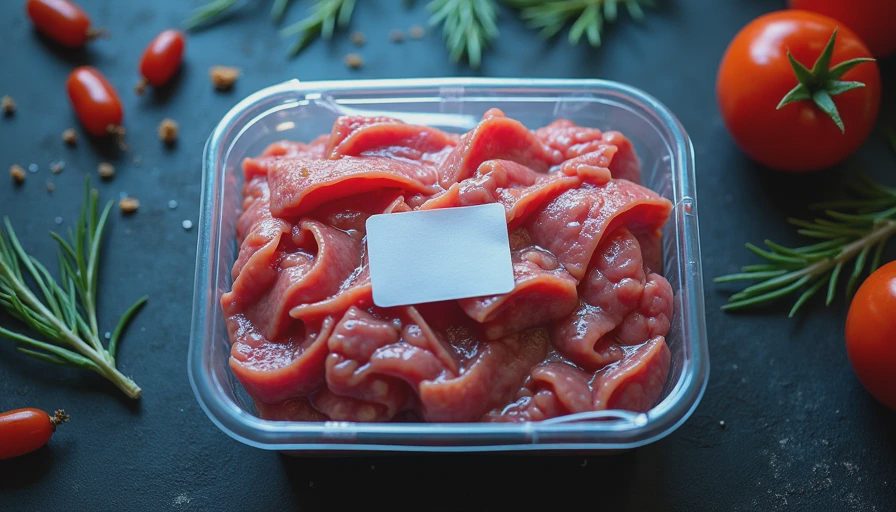
At the grocery store, look for a package with a fresh pink color and a reasonable balance of lean meat and fat. Ground pork labeled around 80 to 90 percent lean is particularly useful for skillet meals because the fat keeps it tender while still allowing browning. Very lean meat can work, but it needs a sauce or extra oil to avoid turning dry and crumbly.
The first seasoning decision is salt. For one pound of ground pork, start with about one teaspoon of kosher salt if the rest of the dish includes low-sodium ingredients. Soy sauce, fish sauce, miso, bacon, and bottled stir-fry sauces all bring salt, so use less at the beginning and adjust after cooking. Aromatics do more than make the kitchen smell good. Garlic, ginger, scallions, shallots, lemongrass, and grated onion create layers before you add a sauce.
For a flexible weeknight mixture, combine one pound of ground pork with two minced garlic cloves, one tablespoon grated ginger, two sliced scallions, one tablespoon soy sauce, and half a teaspoon of toasted sesame oil. Add black pepper and a pinch of red pepper flakes. This mixture can fill dumplings, top rice, or become small patties for a quick sandwich.
The best skillet method for browning
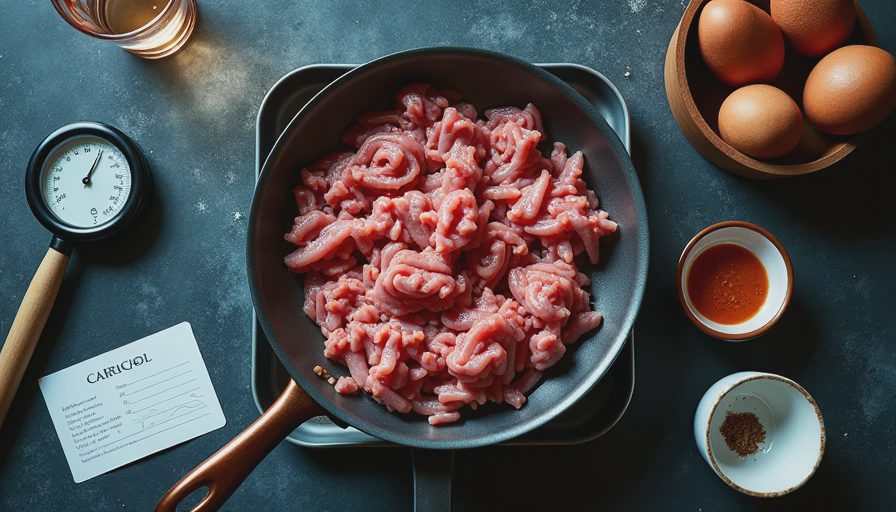
Use a wide skillet over medium-high heat and give the meat room. If you crowd the pan, the ground pork releases moisture and steams instead of browning. That is not a disaster, but browned edges provide a deeper, more savory flavor, so a 12-inch skillet is better than a small saucepan for a full pound.
Add the meat in one layer and leave it alone for two minutes. Then break it into bite-size pieces with a wooden spoon or sturdy spatula. Continue cooking for six to eight minutes, stirring occasionally, until no pink remains and the pieces have developed golden-brown spots. When I say “cook until fragrant” for the garlic and ginger, I mean 45 to 60 seconds, not a spiritual journey.
If the pan looks dry, add a tablespoon of neutral oil. If it looks greasy, spoon off some fat before adding the sauce. Keep enough to coat the aromatics and carry flavor, but not so much that your noodles become an oil slick. For food safety, cook ground pork to 160 degrees Fahrenheit, measured in the thickest part of the mixture or with an instant-read thermometer.
Flavor directions that do not require a specialty trip
A Vietnamese-style bowl can start with ground pork, garlic, fish sauce, a little sugar, lime juice, and black pepper. Serve it over rice with cucumber, shredded carrot, herbs, and crushed peanuts. If fish sauce is not in your pantry, use soy sauce and add lime at the end. It will not taste identical, but it will still provide the salty-sweet-tangy balance the dish needs.
For a Korean-inspired skillet, brown the meat with garlic, ginger, soy sauce, brown sugar, and gochujang. Serve it with rice and a fried egg, or tuck it into lettuce leaves with sliced cucumber. No gochujang? Use a tablespoon of chili garlic sauce plus a little extra brown sugar. The result is less fermented and more direct, but dinner does not need a passport stamp to be satisfying.
Ground pork also plays well with Mexican-inspired flavors. Cook it with cumin, smoked paprika, oregano, garlic, and a squeeze of lime, then use it for tacos or nachos. A spoonful of salsa stirred into the skillet creates a fast sauce. Matt was suspicious when I put pork in a soft tortilla with pickled vegetables, which usually means we’re onto something.
Easy meals for a chaotic fridge
When your fridge is a little chaotic, this is still recoverable. Start with the cooked meat, then choose one starch, one fresh element, and one sharp or creamy finish. Rice, tortillas, ramen, pasta, and toasted bread all work. For fresh contrast, use cabbage, spinach, cucumbers, frozen peas, shredded carrots, or a bagged salad. Finish with lime, vinegar, pickled jalapeños, yogurt, mayo, or herbs.
One dependable meal is a rice bowl with ground pork, frozen edamame, shredded cabbage, and a quick sauce made from soy sauce, rice vinegar, honey, and sesame oil. Another is a noodle skillet: toss cooked noodles with the browned meat, a splash of pasta water, and peanut butter mixed with soy sauce and lime. The starch absorbs the sauce, while the acid keeps the result from tasting heavy.
For a low-effort dinner party, form the meat into small patties and serve them with buns, herbs, sliced cucumbers, and two sauces. A pound usually makes eight to ten small patties, enough for four people with sides. They cook in roughly three to four minutes per side, depending on thickness. This approach feels more intentional than a skillet meal but uses nearly the same ingredients.
Freezer strategy and smart substitutions
Freeze ground pork in one-pound portions, pressed flat in labeled freezer bags. A flat package thaws faster and stacks neatly, which matters when your freezer is already hosting three unidentified containers. Use frozen meat within a few months for the best texture. Thaw it overnight in the refrigerator, or place the sealed package in cold water and change the water regularly. Do not thaw raw meat on the counter.
If your store is out of ground pork, ground turkey can replace it in most skillet recipes, though it usually needs more oil and a generous sauce. Ground chicken works similarly. Ground beef changes the flavor more dramatically but handles tacos, noodles, and rice bowls well. For vegetarian adaptation, crumbled tofu or chopped mushrooms can take the same aromatics, although they need extra browning to develop depth.
The best substitution rule is to protect the structure of the meal. If the replacement is lean, add fat. If it lacks savory flavor, add soy sauce, miso, mushrooms, or a concentrated sauce. If it is soft, bring in crunch with cabbage, peanuts, fried onions, or toasted breadcrumbs.
A five-minute plan for better results
Before turning on the stove, mix the sauce and chop the aromatics. This prevents the classic situation where the meat is perfectly browned while the garlic waits untouched beside a cutting board. Heat the skillet, brown the ground pork, and add the aromatics only after the meat has color. Stir in the sauce near the end so the sugars do not scorch.
Taste before adding more salt. A small squeeze of lime or teaspoon of vinegar often fixes a dull dish more effectively than another splash of soy sauce. Add fresh herbs at the finish, not during the long cooking stage, and serve immediately if you want crisp vegetables to stay crisp.
That is the real advantage of ground pork: it gives you a reliable base while leaving room for whatever the pantry can support. A package can become a bright bowl, a spicy taco filling, a dumpling center, or a freezer-friendly batch of patties. If it works on a Tuesday, it belongs here.




No comments yet — grab the first one.