Chuletas are the kind of dinner I want on a Tuesday: deeply seasoned pork chops, a quick marinade, and a hot skillet doing most of the work. The word usually refers to chops, often pork, prepared with a punchy mix of garlic, citrus, herbs, and spices. This version keeps the spirit and flavor while using ingredients you can find at a regular U.S. grocery store.
The goal is juicy meat with browned edges, not a pork chop that requires a steak knife and a motivational speech. You can use bone-in or boneless chops, although bone-in cuts tend to stay more forgiving when dinner timing gets messy. Serve chuletas with rice, beans, roasted potatoes, or a crisp salad, and you have a complete meal in about 40 minutes.
What Makes Chuletas Taste So Good
The flavor starts with balance. Garlic gives the marinade savory depth, citrus brightens the pork, and dried oregano adds a warm herbal note. A little cumin brings earthiness without making the dish taste like a spice cabinet fell into the bowl. Salt does the practical work of seasoning the meat beyond its surface.
For four pork chops, use three tablespoons olive oil, the juice of one lime, the juice of half an orange, three minced garlic cloves, one teaspoon dried oregano, half a teaspoon ground cumin, one teaspoon kosher salt, and several grinds of black pepper. Add a pinch of red pepper flakes if you like heat. If you only have lemon, use it. If there is no fresh citrus, two tablespoons of bottled lime juice will rescue the plan.
The marinade needs at least 20 minutes to make a difference, but two to four hours gives you a fuller flavor. I would not leave thin chops in a strongly acidic marinade overnight; the surface can turn soft instead of pleasantly tender. This is flavor engineering, not a bath for the meat.
Pat the chops lightly dry before cooking. You want the seasoning to remain, but excess liquid will steam the meat and delay browning. That brown crust is where the weeknight magic happens.
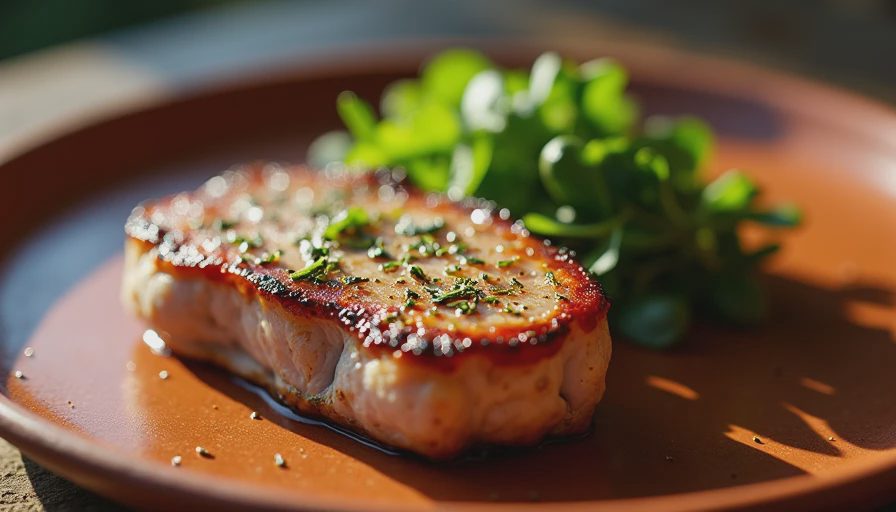
How to Cook Chuletas Without Drying Them Out
Choose chops that are about three-quarters of an inch to one inch thick. Thin chops cook quickly, but they also move from juicy to dry with very little warning. Bone-in rib chops are especially good for chuletas because the fat around the bone adds flavor. Boneless loin chops work well too; just watch the pan closely.
Heat a large stainless-steel or cast-iron skillet over medium-high heat. Add a teaspoon of neutral oil, such as avocado, canola, or grapeseed oil. When the oil shimmers, place the pork in a single layer. If the chops are crowded, cook in two batches. Crowding traps steam, and steam is not the brown crust we invited to dinner.
Cook the first side for four to five minutes without moving the meat. Flip and cook the second side for three to five minutes, depending on thickness. The most reliable test is an instant-read thermometer inserted into the thickest part without touching the bone. Remove the chops at 145°F, then let them rest for three to five minutes. The resting time lets the juices settle instead of running across the cutting board.
If the pan starts smoking aggressively, reduce the heat to medium. If the meat is browning before it feels close to done, lower the heat and cover the skillet for one or two minutes. That gives the center time to cook without turning the outside into a leather sample.
A Practical Chuletas Marinade and Substitution Plan
A good marinade should be flexible because real refrigerators are not recipe laboratories. No fresh garlic? Use three-quarters of a teaspoon garlic powder. No oregano? Italian seasoning works in a pinch, though it may include basil and thyme. No orange? Add another tablespoon of lime juice plus half a teaspoon of honey or brown sugar to soften the sharper edge.
For a richer version of chuletas, stir a tablespoon of soy sauce into the marinade and reduce the added salt slightly. This is not a traditional requirement; it is a useful flavor transfer when you want extra savory depth. Worcestershire sauce also works, especially with roasted potatoes or grilled vegetables.
Avoid adding too much sugar before skillet cooking because sweet marinades can burn before the pork is ready. If you want a sticky finish, brush the chops with honey, agave, or a little guava jelly during the final minute. Keep the heat at medium and turn the chops once so the glaze catches without blackening.
For a less spicy plate, skip red pepper flakes and serve hot sauce at the table. For more heat, add a finely chopped jalapeño or a pinch of cayenne. Matt was suspicious of the citrus at first, but the browned garlic and pork won him over. That is generally a useful test result.
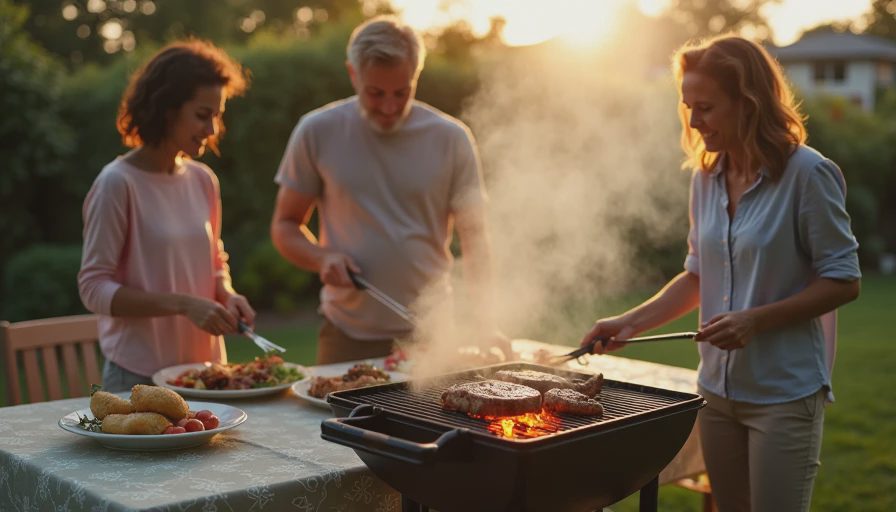
What to Serve With Chuletas
Rice and beans are the obvious partners for chuletas, and there is no reason to overthink an excellent obvious thing. Plain white rice absorbs the pan juices, while black beans or pinto beans add creaminess and make four chops stretch to a generous meal for four. A spoonful of quick-pickled onions adds color and acidity with almost no effort.
For a faster plate, serve the pork with microwave rice, sliced avocado, and a bagged salad dressed with lime juice and olive oil. Roasted sweet potatoes bring enough sweetness to balance the savory marinade. Crispy potatoes are also excellent: cut them into small cubes so they roast in roughly the same time it takes the pork to marinate.
You can turn leftovers into lunch by slicing the chilled meat thinly and adding it to a tortilla with scrambled eggs, shredded cabbage, and salsa. Do not reheat already-cooked pork until steaming hot for several minutes; it will dry out. Instead, warm slices briefly in a covered skillet with a tablespoon of water or broth.
Chuletas for a Busy Weeknight
To make the meal manageable, start the marinade before changing out of work clothes. While the pork absorbs flavor, cook the rice and prepare one vegetable. A skillet, cutting board, small bowl, and thermometer are enough equipment. There is no need to dirty a blender or assemble a specialty pantry.
You can also freeze the raw marinated chops. Place the pork and marinade in a freezer bag, press out excess air, and freeze for up to two months. Thaw it in the refrigerator overnight, then pat the chops dry before cooking. Label the bag with the date and cooking notes; mystery freezer packages are how perfectly good dinner plans become archaeology.
The finished chuletas should be browned outside, juicy in the center, and bright enough from citrus that each bite feels lively. If your fridge is a little chaotic, this is still recoverable: use lemon instead of lime, dried herbs instead of fresh, and rice instead of a more ambitious side. If it works on a Tuesday, it belongs here.

No comments yet — grab the first one.