A good bowl mixture is less a strict recipe than a reliable dinner system. Start with something filling, add a vegetable, bring in a bold sauce, and finish with texture. The result can be rice and roasted broccoli one night, noodles and leftover chicken the next, or beans, corn, and avocado when the fridge is sending mixed signals. Here is the version that works on a Tuesday: flexible, flavorful, and not dependent on finding one very specific pepper at 6:42 p.m.
Build the bowl in four layers
The first layer is the base. Rice is the obvious choice, but cooked quinoa, couscous, soba noodles, farro, roasted potatoes, and even torn greens work well. Use about 1 to 1 1/2 cups per serving, depending on how hungry everyone is. Microwave rice is completely acceptable. Dinner is not a character test.
Next, add a protein or substantial plant ingredient. Rotisserie chicken, fried eggs, canned tuna, shrimp, tofu, black beans, chickpeas, and leftover steak all fit. For a bowl mixture serving four, plan on roughly 1 to 1 1/2 pounds of meat or seafood, or two cans of beans plus another protein-rich ingredient such as edamame or eggs.
The vegetable layer should bring color and a change in texture. Roasted carrots are sweet and soft, while cucumbers, shredded cabbage, scallions, and pickled onions stay crisp. Frozen corn and peas are useful because they require no chopping. When a recipe says to cook vegetables until tender, I mean a fork should meet some resistance, not fall through them like a dramatic movie door.
Finally, add a sauce and a finishing ingredient. A sauce brings the separate parts together; toasted peanuts, sesame seeds, herbs, crispy onions, or crushed tortilla chips keep the bowl from becoming one soft beige event. That basic bowl mixture structure is more useful than memorizing a dozen formulas.
Choose a flavor direction
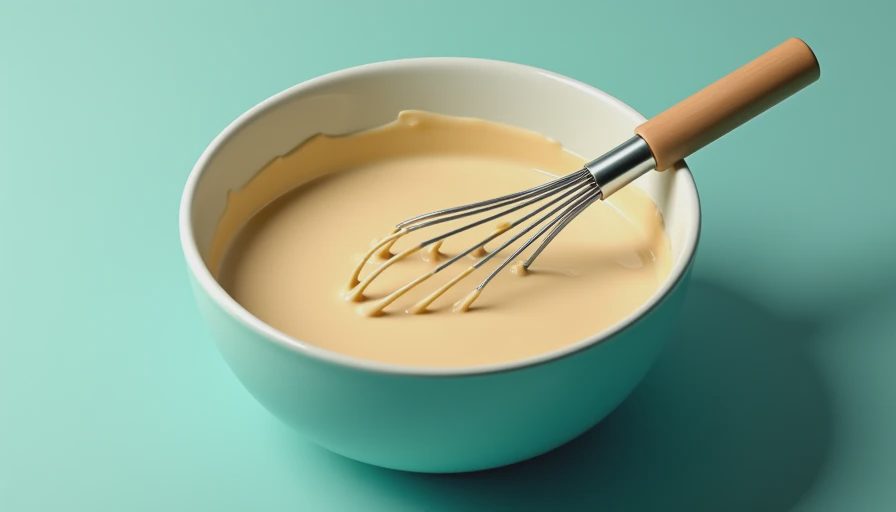
Once the structure is in place, choose one flavor direction instead of adding every exciting condiment in the refrigerator. For a Southeast Asian-inspired bowl mixture, whisk together lime juice, fish sauce, brown sugar, garlic, and a little neutral oil. Add chili crisp at the table for heat. This works with rice, shrimp, chicken, tofu, or roasted mushrooms.
For a smoky southwest version, combine lime juice, olive oil, cumin, smoked paprika, minced garlic, and a pinch of salt. Spoon it over rice, pinto beans, roasted sweet potatoes, and cabbage. A few slices of avocado or a dollop of sour cream soften the spice without making the whole bowl taste heavy.
A Japanese-leaning bowl mixture can use soy sauce, rice vinegar, toasted sesame oil, and grated ginger. Keep the sesame oil modest; one teaspoon can do more work than a confident pour. Pair that sauce with noodles, sautéed greens, cucumbers, salmon, tofu, or a jammy egg. For a Mediterranean route, try lemon juice, olive oil, oregano, garlic, and a spoonful of yogurt. The same cooking method feels entirely different once the acid and aromatics change.
The goal is not authenticity theater. It is flavor coherence. Fish sauce and lime should have something sweet or salty to balance them. Cumin and smoked paprika like beans, corn, or potatoes. Soy sauce needs freshness from vinegar, citrus, herbs, or crunchy vegetables. Think of each bowl mixture as a small design problem with an edible answer.
Make substitutions without losing balance
Substitutions work best when you replace an ingredient by role, not by appearance. If a recipe calls for rice vinegar and you have apple cider vinegar, use a little less and add a pinch of sugar. If you are out of cilantro, try scallions, parsley, or mint. They will not taste identical, but they will still provide freshness.
Protein swaps are usually straightforward. Chicken thighs can replace breast meat because they stay juicier, while tofu needs a little extra seasoning and enough browning time to develop flavor. Canned salmon can stand in for cooked fish, and lentils can replace beans when you want a smaller, earthier bite. A bowl mixture becomes more satisfying when the protein has a browned edge or a sauce that clings to it.
Texture deserves its own substitution logic. No cucumber? Use shredded cabbage or thinly sliced celery. No crispy onions? Toast panko in a skillet with a teaspoon of oil and a pinch of salt. No fresh vegetables? Drain frozen corn, peas, or edamame and warm them directly in the pan. If your fridge is a little chaotic, this is still recoverable.
Matt was suspicious when I first put roasted sweet potatoes beside a sharp lime dressing and black beans. He assumed the sweet potatoes would make the dinner taste like a confused holiday side dish. The acidity fixed that problem, and now he asks for extra dressing. This is why tasting matters more than loyalty to the original plan.

Use a simple assembly schedule
For a weeknight bowl mixture, start with the item that takes longest. Roast vegetables at 425 degrees Fahrenheit while the rice cooks. During those 20 to 30 minutes, mix the sauce and prepare toppings. If using raw meat, cook it separately and use a thermometer rather than guessing from color. Chicken should reach 165 degrees Fahrenheit in the thickest part; shrimp are ready when opaque and curled.
Keep wet ingredients away from crunchy ones until serving. This small step prevents cabbage, peanuts, tortilla strips, and panko from turning limp. If you are meal-prepping, store the base, protein, vegetables, sauce, and toppings in separate containers. Most cooked components keep well in the refrigerator for about three to four days when cooled and stored promptly.
For four servings, a useful shopping plan is two cups of dry rice or another grain, one large vegetable, one protein, and one sauce set. That might mean jasmine rice, a bag of broccoli, a package of chicken thighs, limes, garlic, fish sauce, and chili crisp. The ingredients are ordinary enough for H-E-B or Kroger, with H-Mart useful when you want better noodles, tofu, or condiments.
Finish with a tasting pass
Before serving, taste one complete bite rather than sampling the sauce alone. Is it flat? Add salt or soy sauce. Too rich? Add lime juice, vinegar, or a crunchy vegetable. Too spicy? Add yogurt, avocado, coconut milk, or another mild base. Too soft? Add toasted seeds, nuts, cabbage, or fried onions. This final adjustment is what turns a bowl mixture from separate leftovers into dinner.
A useful serving ratio is roughly half base and vegetables together, one quarter protein, and the remaining quarter made up of sauce and toppings. It does not need to be mathematically perfect; the ratio simply keeps the dish from becoming a pile of rice with a decorative cucumber. Serve sauce on the side if people have different heat preferences.
The best bowl mixture is the one you can repeat without getting bored. Change the base, keep the sauce, or keep the base and switch the vegetables. Use leftover steak on Wednesday and eggs on Thursday. If it works on a Tuesday, it belongs here.



No comments yet — grab the first one.