If you searched for pollaste and expected a familiar recipe, you are not alone. The word does not have one universally recognized definition in everyday American cooking, which makes it a slightly awkward starting point and a surprisingly useful one. I treat pollaste as a prompt: clarify what the recipe or package means, then build a flexible meal around the ingredients you actually have. Here is the version that works on a Tuesday, when dinner needs to happen before the laundry develops opinions.
What pollaste may mean in a kitchen
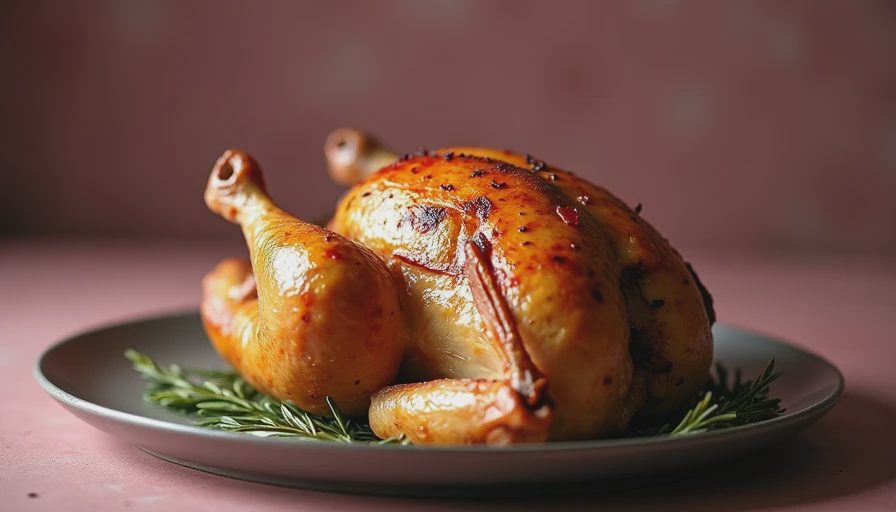
The first step with pollaste is checking context. It could be a typo, a regional food label, a translation, or a recipe title that assumes the reader already knows the dish. Look at the surrounding words, ingredient list, package photograph, or original source. If the instructions mention poultry, the intended ingredient may be chicken or another bird. If the list includes flour, frying oil, and a sauce, the term may describe a preparation rather than a specific cut.
Do not buy six specialty ingredients before solving that mystery. A useful kitchen rule is to identify three things: the main protein or vegetable, the cooking method, and the flavor direction. Once those are clear, pollaste becomes less of a vocabulary problem and more of a dinner design problem. If the source remains unclear, cook a small test portion first. A $4 chicken thigh is a better experiment than an entire expensive grocery haul.
For a weeknight interpretation, I would start with boneless chicken thighs, firm tofu, mushrooms, or cauliflower. Each handles a strong marinade, browning, and a finishing sauce without demanding restaurant technique. Matt was suspicious, which usually means we are onto something.

Build a pollaste-style flavor base
A good meal needs contrast, not a long ingredient list. Start with salt, acid, aromatics, and something savory. For four servings, combine two tablespoons of soy sauce, one tablespoon of lime juice or rice vinegar, one teaspoon of brown sugar, one grated garlic clove, and a teaspoon of grated ginger. Add a pinch of red pepper flakes if you want heat. This mixture gives chicken, tofu, or vegetables enough flavor for a fast skillet dinner.
If soy sauce is not available, use tamari for a similar savory profile, coconut aminos for a sweeter and milder option, or one tablespoon of fish sauce diluted with two tablespoons of water. The substitution is not identical, but dinner does not need to pass a laboratory comparison. For a brighter version, add cilantro, scallions, or a spoonful of chopped mint at the end. For a richer version, stir in a tablespoon of peanut butter or tahini after the pan comes off the heat.
The key is timing. Marinate chicken for 20 to 30 minutes if you can, but do not postpone dinner for hours. Tofu benefits from being pressed and patted dry, while mushrooms should be seasoned near the end of cooking so they brown instead of releasing a puddle immediately.
The weeknight cooking method
Heat a large skillet over medium-high heat, add one tablespoon of neutral oil, and leave space between the pieces. Crowding traps steam and prevents browning. Cook boneless chicken thighs for roughly five to seven minutes per side, depending on thickness, until the center reaches 165 degrees Fahrenheit. For tofu, use four to five minutes per side. Vegetables usually need six to nine minutes, with a splash of water if the pan becomes too dry.
Remove the main ingredient and lower the heat. Add the marinade only if it has not touched raw meat; otherwise, use a fresh batch or boil the used marinade thoroughly before serving. Scrape up the browned bits, add a small splash of water or stock, and simmer for one to two minutes. Return the cooked food to the skillet and turn everything until glossy.
That sequence is what makes pollaste practical. You are not relying on a perfect recipe title. You are using a repeatable structure: brown the main ingredient, make a quick sauce, and reconnect the two at the end. When I say cook until fragrant, I mean 45 to 60 seconds, not a spiritual journey.
Smart sides and substitutions
Serve pollaste over white rice, brown rice, rice noodles, or toasted bread. A microwave rice pouch is completely reasonable on a busy night; the sauce is doing the interesting work. Add cucumber ribbons, shredded cabbage, steamed broccoli, or a bagged salad to bring crunch and freshness. A $2.50 cucumber dressed with lime and salt can keep a rich skillet from feeling heavy.
For a lower-cost meal, use one pound of chicken thighs with two cups of sliced mushrooms or cabbage. The vegetables stretch the protein without making the plate feel like a compromise. Ground turkey works too, although it needs extra oil and a stronger finishing sauce because it is leaner. Shrimp should be cooked separately for only two to three minutes per side, then returned to the sauce briefly so it stays tender.
If your fridge is a little chaotic, this is still recoverable. Use lemon instead of lime, honey instead of brown sugar, and frozen vegetables instead of fresh. Replace ginger with a small amount of five-spice powder, or skip it and add black pepper. The goal is a balanced bite, not ingredient purity.
A sample pollaste dinner for four
For a reliable first attempt, use one and a half pounds of boneless chicken thighs, two cups of broccoli, one red bell pepper, and the soy-lime marinade above. Cook the rice while the chicken sits. Sear the chicken in two batches, then cook the broccoli and pepper for four minutes. Add the fresh sauce, simmer until slightly thickened, and return the chicken to the pan.
Finish with scallions, sesame seeds, and a spoonful of plain yogurt mixed with lime juice if you want a cooling contrast. The total active cooking time is about 30 minutes, and the grocery cost can stay near $15 to $20 for four servings depending on local prices. Leftovers reheat well in a covered skillet with a tablespoon of water. They also make a good lunch bowl with shredded cabbage and a fried egg.
How to evaluate the finished dish
A successful pollaste dinner should have browned edges, a sauce that tastes salty but not harsh, and enough acid to make you take another bite. If it tastes flat, add lime juice or vinegar. If it tastes too salty, add rice, unsalted vegetables, or a little coconut milk. If the sauce is thin, simmer it for another minute. If it is too thick, loosen it with water.
The point is not to pretend the unfamiliar term has a single official answer. The point is to turn uncertainty into a usable cooking process. Read the clues, choose a sturdy ingredient, build contrast, and taste before serving. Pollaste can be an excellent search term when it leads you toward a flexible meal rather than a fussy performance. If it works on a Tuesday, it belongs here.



No comments yet — grab the first one.