Pasta and cream recipes are usually sold as comfort food, which is accurate but incomplete. The best versions are also excellent weeknight engineering: a pot of noodles, a sauce built in one pan, and a few ingredients that make dinner taste intentional. I like recipes that leave room for a tired Tuesday, a half-used vegetable, and the parmesan container you forgot to restock. This collection uses that logic, with familiar American grocery ingredients and a few global flavor nudges.
Cream does not have to mean a heavy, one-note sauce. A small amount can round out tomato, chile, miso, curry, lemon, or roasted garlic. The trick is adding it at the right moment and loosening the sauce with starchy pasta water. That water is not waste; it is the glue that helps fat, cheese, and seasoning cling to the noodles instead of pooling sadly at the bottom of the bowl.
The basic method behind reliable creamy pasta
Start with a wide skillet and aromatics. Minced garlic, sliced shallot, scallions, or onion all work. Cook them in olive oil or butter over medium heat until soft and fragrant. When I say fragrant, I mean 45 to 60 seconds for garlic, not a spiritual journey that ends with burnt bits.
Add your main flavor builder next. This could be tomato paste, gochujang, curry paste, smoked paprika, lemon zest, or a spoonful of miso. Frying it briefly wakes up the flavor and prevents the finished sauce from tasting like ingredients were simply introduced to each other at the last minute. Pour in heavy cream, half-and-half, coconut milk, or a mixture of broth and cream. Simmer gently for two to four minutes.
Boil the pasta in well-salted water and stop cooking it about one minute before the package timing says it is done. Transfer it directly into the skillet with at least half a cup of pasta water. Toss until the sauce coats every strand. Add parmesan off the heat so it melts smoothly. If the pan looks tight, add water one tablespoon at a time. If it looks thin, keep tossing for another minute before reaching for more cheese.
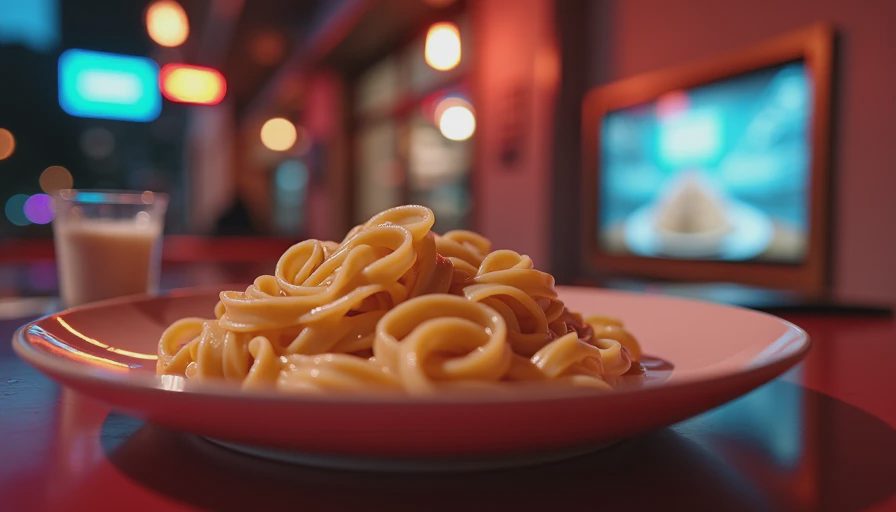
Three flexible ideas for tonight
One of my favorite pasta and cream recipes starts with tomato paste and chile. Warm two tablespoons of olive oil, cook garlic, then fry three tablespoons of tomato paste with a pinch of red pepper flakes until it turns a deeper brick red. Add three-quarters cup of cream and a splash of pasta water. Toss with rigatoni, penne, or shells, then finish with parmesan and basil. The result is rich, slightly spicy, and useful for rescuing a lonely zucchini or a handful of spinach.
For a more savory direction, try miso mushroom cream pasta. Brown eight ounces of sliced mushrooms in a hot skillet without crowding them. Add butter, garlic, and one tablespoon of white miso, then stir in three-quarters cup of cream. Black pepper does more work here than you might expect. Use spaghetti or linguine, and add frozen peas during the final minute of pasta cooking. The mushrooms bring chew, the miso supplies depth, and the peas keep the bowl from becoming beige-on-beige.
A third option borrows the warm, aromatic logic of curry without requiring a specialty shopping trip. Cook onion in oil, add one teaspoon of curry powder, a pinch of cumin, and a spoonful of tomato paste. Stir in half a cup of coconut milk plus half a cup of regular cream or broth. Add shredded rotisserie chicken, chickpeas, or roasted cauliflower. Toss with short pasta and finish with lime juice. Matt was suspicious, which usually means we are onto something; he went back for the last serving.
How to make substitutions without breaking the sauce
The most useful pasta and cream recipes are built around ratios, not fragile ingredient lists. For four servings, start with 12 ounces of pasta, one to two tablespoons of fat, one cup of liquid, and roughly one cup of flavorful add-ins. That framework gives you room to work with what is available.
Heavy cream creates the most stable sauce, but half-and-half works if you keep the heat moderate. Milk can work with a tablespoon of cream cheese or grated parmesan to add body. Coconut milk changes the flavor, so pair it with lime, curry, chile, ginger, or soy sauce rather than pretending it is neutral. Greek yogurt is best stirred in off the heat with extra pasta water; boiling it can make the sauce grainy.
Vegetables should be cut according to how quickly they cook. Baby spinach needs only a minute. Broccoli florets need several minutes in the pasta water. Bell pepper is better sautéed with the aromatics. Frozen peas can go straight into the colander during the final minute. If your fridge is a little chaotic, this is still recoverable: choose one vegetable, one protein, and one strong seasoning instead of adding every leftover at once.
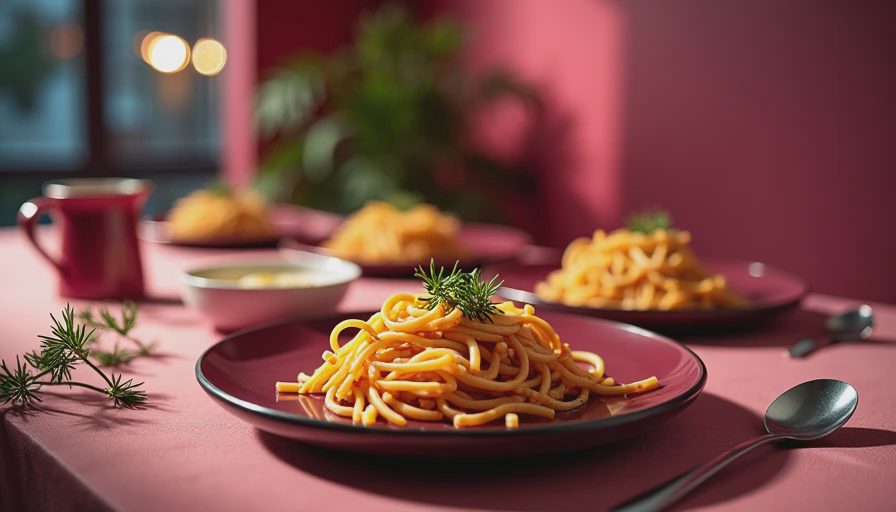
Finishing touches that change the whole bowl
Acid is the quickest way to keep creamy pasta from tasting flat. Add lemon juice, lime juice, a splash of white wine, or a small spoonful of vinegar at the end. Start with one teaspoon, toss, and taste before adding more. Fresh herbs help too, but dried oregano, Italian seasoning, or cracked black pepper are perfectly respectable on a Wednesday.
Texture deserves equal attention. Toasted breadcrumbs add crunch for about fifty cents and five minutes. Heat two tablespoons of olive oil with panko, garlic powder, and paprika until golden. Crispy bacon, roasted nuts, fried shallots, or chopped pickles can serve the same contrast. A creamy bowl needs something that interrupts the softness, or it starts to feel like eating a warm blanket.
For pasta and cream recipes with stronger global character, use toppings strategically. Add cilantro and lime to curry cream pasta, scallions and sesame seeds to miso mushroom pasta, or basil and chile oil to tomato cream pasta. These additions are not decoration; they sharpen the flavor and make a pantry sauce taste finished.
A practical shopping list and timing plan
For two generous servings, buy six ounces of pasta, a small carton of cream or half-and-half, one aromatic, one vegetable, parmesan, and one flavor builder such as tomato paste, miso, curry paste, or pesto. That core list usually costs less than a restaurant pasta entree and can stretch with beans, chicken, or extra vegetables.
Begin heating the pasta water first. While it comes to a boil, chop the aromatics and prepare the sauce ingredients. Cook the pasta and sauce at the same time, then combine them in the skillet. The entire process takes about 25 to 35 minutes, including chopping. For a dinner party, make the sauce base ahead, but cook and toss the pasta close to serving so it does not absorb every drop of cream while it waits.
Pasta and cream recipes also reheat better when you reserve extra sauce or pasta water. Warm leftovers in a skillet over low heat with two tablespoons of water or milk. Microwave reheating works in 30-second intervals, with stirring between each one. Do not blast the bowl for three minutes and then blame the dairy.
The Tuesday test
A good creamy pasta should be adaptable, affordable, and clear enough to cook without rereading every line. Start with the method, choose a flavor direction, and let your fridge fill in the gaps. You can use rigatoni instead of spaghetti, frozen spinach instead of fresh, or beans instead of meat without losing the point of the dish.
Among these pasta and cream recipes, the tomato-chile version is the best first attempt because it is forgiving and pantry-friendly. The mushroom version is ideal when you want savory depth, while the curry-inspired bowl is the move when dinner needs a little more personality. None requires restaurant equipment or a free afternoon. If it works on a Tuesday, it belongs here.


No comments yet — grab the first one.