Lemon garlic chicken is the dinner I make when the refrigerator contains chicken, half a lemon, and an unreasonable number of open condiment jars. It is bright, savory, lightly crisp, and forgiving enough for a busy weeknight. The method is straightforward: season the chicken well, brown it without fussing, then finish it in a quick lemon-garlic pan sauce. If it works on a Tuesday, it belongs here.
Why this lemon garlic chicken works
The trick is not a complicated marinade. It is managing heat and timing. Chicken thighs bring enough fat to stay juicy, while a hot skillet creates browned edges before the sauce goes in. Lemon adds acidity at the end, where it tastes fresh instead of disappearing into the cooking liquid. Garlic gets softened in the pan rather than burned under high heat.
I usually use boneless, skinless chicken thighs because they are inexpensive, hard to dry out, and ready in about 20 minutes. Boneless chicken breasts also work, but slice thick pieces horizontally if they are bulky. Aim for pieces about three-quarters of an inch thick so the outside does not become dinner’s entire texture. Matt prefers breasts, so this recipe has survived that test kitchen negotiation.
For four servings, gather 1 1/2 pounds of chicken, one teaspoon kosher salt, half a teaspoon of black pepper, two tablespoons of olive oil, four garlic cloves, one cup of low-sodium chicken broth, the juice of one lemon, one teaspoon of lemon zest, and two tablespoons of butter. A pinch of red pepper flakes is optional but useful if you want the sauce to have a little attitude.

The skillet method, step by step
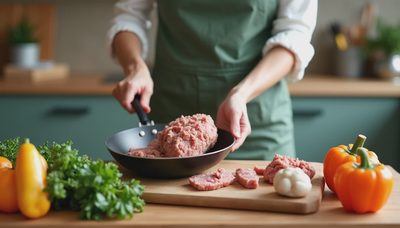
Pat the chicken dry with paper towels before seasoning. This takes less than a minute and gives the surface a better chance of browning. Season both sides with salt and pepper. If you have time, let the chicken sit for 10 minutes while you chop the garlic and measure the broth. It does not need an overnight marinade.
Heat a large stainless steel or cast-iron skillet over medium-high heat. Add the olive oil when the pan is hot, then place the chicken in a single layer. Leave space between pieces; crowding makes steam, and steam is not the crisp edge we ordered. Cook thighs for 5 to 7 minutes on the first side, then turn and cook another 4 to 6 minutes. The thickest piece should reach 165 F on an instant-read thermometer.
Move the chicken to a plate. Lower the heat to medium and add the garlic and red pepper flakes. Stir for 45 to 60 seconds, which is what I mean by “cook until fragrant,” not a spiritual journey. Pour in the broth and scrape up the browned bits with a wooden spoon. Simmer for 2 to 3 minutes, then add lemon juice, zest, and butter. Return the chicken to the skillet and spoon sauce over it for another minute.
Ingredients you can swap without breaking dinner
This lemon garlic chicken is flexible because the sauce has a clear balance: savory broth, rich butter, sharp lemon, and aromatic garlic. If you only have chicken breasts, use them. If your pieces are thick, pound them gently between sheets of plastic wrap or cut them into cutlets. That is not cheating; it is portion control for heat.
No chicken broth? Use water with half a bouillon cube, vegetable broth, or a splash of dry white wine followed by water. No fresh lemon? Bottled juice will work in the sauce, although fresh zest makes the flavor noticeably better. In a pinch, use a teaspoon of vinegar at the end, adding it gradually so the sauce does not become harsh.
Fresh garlic gives the best flavor, but refrigerated minced garlic is acceptable on a Tuesday. Use about two teaspoons. Olive oil can be replaced with avocado oil or another neutral cooking oil, while the butter can be skipped for a lighter, sharper sauce. Add a tablespoon of cream if you want a softer finish, but do not boil it aggressively.

What to serve with lemon garlic chicken
The sauce practically asks for something that can catch it. Rice is the most efficient choice, especially jasmine or basmati rice cooked while the chicken is in the pan. Couscous takes five minutes and makes the meal feel more planned than it was. Roasted potatoes work too, though they require a little more scheduling.
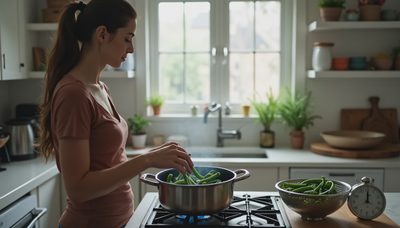
For vegetables, use whatever can handle a quick sauté: green beans, zucchini, broccoli florets, or spinach. Add green beans to the skillet with a splash of water and cover for 3 to 4 minutes before finishing them with salt. For spinach, fold several handfuls into the warm sauce after the chicken comes out. It wilts quickly and does not require another pan.
A simple salad of chopped cucumber, tomato, and parsley adds crunch. You can also serve this with warm pita, which turns the extra sauce into a perfectly respectable cleanup strategy. The finished plate should have contrast: tender chicken, glossy sauce, something starchy, and something fresh.
Troubleshooting the common failures
If the chicken is pale, the pan was probably not hot enough or the pieces were too close together. Remove the chicken, wipe out excess liquid if necessary, and continue with fewer pieces. If the garlic tastes bitter, it cooked too long at high heat. Start the sauce again with fresh garlic; trying to hide burned garlic under extra lemon rarely succeeds.
If the sauce seems thin, simmer it for another minute or two before adding the chicken back. If it tastes flat, add salt first, then lemon. Acid cannot replace seasoning. If it tastes too sharp, stir in another teaspoon of butter or a spoonful of broth. If the chicken is cooked but dry, slice it and spoon plenty of sauce over the top. It will not become a thigh, but it can still make a good dinner.
Make-ahead and leftover notes
You can season the chicken up to one day ahead and keep it covered in the refrigerator. Store cooked lemon garlic chicken with its sauce in an airtight container for up to three days. Reheat it gently in a covered skillet with a tablespoon of broth or water. The microwave works too: use 50 percent power in short intervals so the chicken does not turn rubbery.
For lunch, slice the leftovers over rice with cucumbers and greens. Add a spoonful of plain yogurt, a squeeze of lemon, or a little hot sauce. The flavor is also good tucked into a pita or chopped into a grain bowl. If your fridge is a little chaotic, this is still recoverable; the sauce does most of the organizational work.
A reliable weeknight finish
The best lemon garlic chicken is not about producing a restaurant plate or buying a specialty ingredient. It is about getting a browned surface, protecting the chicken from overcooking, and using lemon at the right moment. Put the skillet on the table with rice, vegetables, and whatever herbs are still alive in the crisper drawer. Parsley is lovely, cilantro is welcome, and no herb at all is a valid choice.
Start with the basic version, then adjust it toward your household. Add red pepper flakes for heat, extra zest for brightness, or a little cream for a richer sauce. If you want a dependable dinner that feels more interesting than its grocery list, this is the one to save. Lemon garlic chicken has earned its place in the Tuesday rotation.



No comments yet — grab the first one.